Want fans to promote you for free? UGC marketing as a comeback chance for small brands, with personality quizzes and interactive game marketing revealed
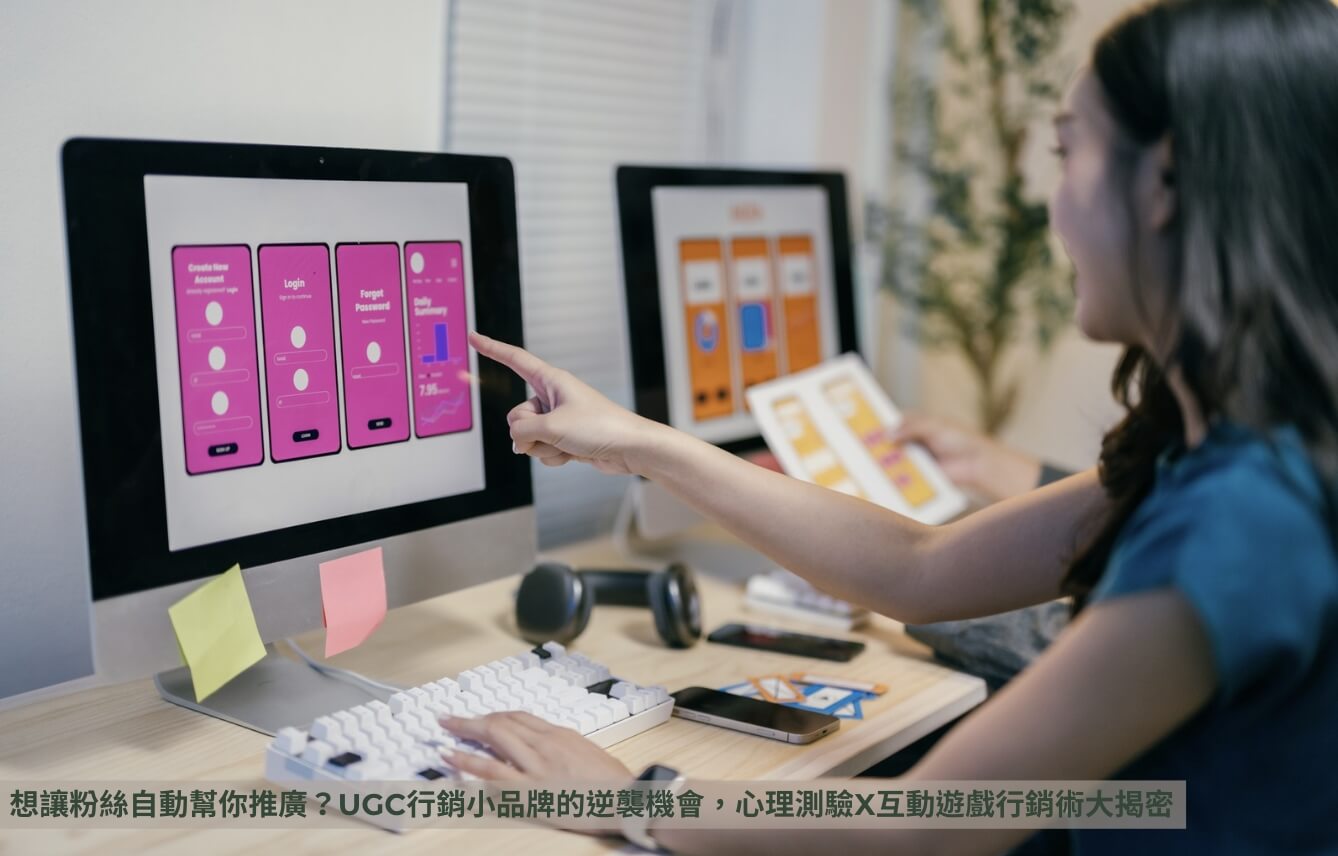
When tens of thousands in monthly ad budget burn away without good results or real conversions! "Do I need to spend even more just to have a chance to compete with big brands?" This cycle leaves many small brands wondering: can I really afford digital marketing?
In fact, instead of paying for exposure, let users promote you "for free". There is a marketing approach that needs no huge budget and no flashy packaging, yet creates high engagement and high trust, and even gets users to give your brand massive exposure across social platforms themselves! That is UGC marketing (User-Generated Content). When users are willing to take part and speak up for you, your brand can naturally break through the noise.
🔍 What is UGC marketing? Understand it in one minute
UGC stands for User-Generated Content. It means brand-related content that ordinary users create on their own. This content can be:
-
Posts or comments on social platforms
-
Unboxing videos or product reviews filmed by users
-
Reshares, reviews or quiz result screenshots in Instagram Stories
-
Shared game screens, feedback on interactive campaigns and more
This content is not paid for by the brand. It comes naturally from real users who like the brand, agree with it or take part. Precisely because it is "authentic" and "spontaneous", UGC carries very high trust and influence. In today's age of information overload, consumers are increasingly numb to one-way brand advertising and may even resist it. That makes UGC marketing one of the most effective marketing tools today and a key way for brands to build real connections with consumers.
💡 Why should brands care about UGC (user-generated content)?

1. Build trust: user recommendations are more convincing than ads
Surveys show that over 90% of consumers check other people's reviews before buying.
UGC is like "the social media version of word of mouth". Real sharing from friends and other users moves people far more than brand ads.
Today's younger generation no longer just searches for products on Google. They search keywords on social platforms such as Dcard, Threads, Instagram and YouTube to find unboxing reviews, hands-on videos and discussions posted by ordinary people. This "non-official" content has become the deciding factor in whether they buy.
With this trend, UGC is not just content consumers create on their own; it is more like a user-led social recommendation movement. If a brand can harness this power and let its product story spread naturally across social media, it can achieve high exposure and high conversions at low cost. Simply put, "letting users speak for you is far more powerful than speaking for yourself".
2. Save costs: stop relying on big ad budgets
When ad spending keeps rising and conversions keep getting harder, brands should ask: "Do we want to buy short-lived exposure, or build long-term brand influence?"
Instead of spending tens of thousands a month on ads for brief exposure, design a fun, engaging campaign that makes users want to take photos, record videos and share. When users become the creators and distributors of content, you reach more people with more authentic, credible content, and can generate dozens of times more organic traffic in one go.
With this approach, it is no longer "the brand talking to users" but users talking for the brand. When your campaign feels fun, interesting and witty, it naturally gets shared and reposted on Instagram, Threads, Dcard and other platforms, becoming "a hot topic on social media".
More importantly, this leaves consumers with a brand image that is "innovative, fun and worth joining". It not only raises goodwill and recall but also builds up social assets and word of mouth over time. Compared with one-off ads, UGC marketing creates a brand effect that keeps snowballing, turning your brand from passive exposure into something people actively talk about and follow.
3. Ongoing spread: UGC is content that grows by itself
If you don't push it, fans push it for you!
The biggest appeal of UGC: when content is interesting, fun and relatable enough, users share it, tag friends and even create their own follow-up content, triggering wave after wave of snowballing social spread. Break away from formulaic marketing and open up a cycle of social co-creation! Instead of racking your brain every week about how to "convince" consumers to follow you, create a scene that "makes them want to join in and share". For example, design interactive psychology quizzes, check-in challenges or relay unboxing reviews. All of these keep UGC spreading and help it go viral naturally. Fun UGC can keep spreading on social media for more than 2 weeks, and may even be quoted, remade and turned into memes again and again, extending its life cycle!
📊 UGC marketing vs traditional marketing: five key differences
| Item | 🗣️ Traditional marketing | 🤳 UGC marketing |
|---|---|---|
| Content source | Created and controlled by the brand | Created and shared voluntarily by users |
| Trust | Feels like advertising, easily doubted | Real experiences shared, highly credible |
| Interactivity | One-way communication, users only receive | Two-way interaction, users take part |
| How it spreads | Exposure depends on budget, short lifespan | Spreads through social sharing, long life cycle |
| Marketing cost | Requires ongoing ad spending | Users create for free and spread it naturally |
🎯 What psychology makes users "want to share"?
1. "That's so me": high accuracy and strong empathy
People are more willing to share content that "nails me" or "seems to describe me", especially psychology quizzes or character analyses. This feeling of "being understood" creates strong resonance and gives users the urge to think, "This is so accurate, I have to share it with my friends."
👉 Suitable design elements: option logic with high accuracy, fun and fitting result text, precise labels.
2. "Show-off sharing": expressing yourself and standing out
When a quiz result highlights a user's unique personality, rare identity or exclusive label, such as "You are a mysterious leader" or "A title only 1% of people get", it triggers show-off sharing. Users share it on social platforms because "I'm special", showing their own value.
👉 Suitable design elements: exclusive character images, limited titles, leaderboards, personalized posters.
3. "Sense of community": following the crowd, all my friends are playing
People on social media have a fear of being left out. When they see friends playing a quiz or sharing a result one after another, they can't help joining in. This creates a "chain reaction" across social circles, spreading from one person to ten and from ten to a hundred, effectively expanding brand reach.
👉 Suitable design elements: prompts like "Guess which character I am?", enabling tagging, designing incentives to comment and more.
🎮 Use interactive games to amplify UGC marketing!
Interactive games naturally have two abilities: "content generation" and "social spread". From gameplay to the results page, users take screenshots, share achievements or invite friends to take on the challenge. All of this is valuable UGC material that gives the brand "an endless stream" of exposure. (Further reading: Let your brand be "played"! Online interactive game design for high-impact exposure: quizzes, level challenges and click games go online in 2025's new trend!)
📌 Common behavior patterns:
-
Game results page → shared to Instagram Stories or Facebook posts
-
In-game leaderboards → spark competition and encourage sharing
-
Mission and level invites → drive "invite friends to earn rewards"
🧠 Why psychology quizzes work: curiosity + projection = a strong urge to share
Psychology quiz games are especially good at sparking emotional connection and a strong desire to "know the result". If the results page is eye-catching and fitting enough, users strongly project themselves onto it and identify with it, then share it on their own and draw more people in.
📌 Keys to a quiz's appeal:
✅ Everyone wants to understand themselves: psychology quizzes meet people's need to "explore who they are"
✅ Low barrier, high participation: just tap a few simple questions to finish, so users are willing to try and easy to share
✅ Can incorporate brand characters or scenarios: users subtly build a connection with the brand
✅ Viral potential: once designed well, users share it and tag friends on their own, sparking social spread
Well-known success story | Inside Out 2 psychology quiz x IP characters x social media marketing

Image source: Instagram @disneystudios.tw. This post: View now. For case study reference only. If this infringes any rights, please contact us immediately.
When Pixar and Disney released Inside Out 2 (known in Hong Kong as "Fun with Brain Friends 2"), a psychology quiz campaign that was both fun and emotionally deep was launched. The brand used the film's "emotion personality IP" to design a [personality quiz]. By answering a series of questions, users find the character they are most like: cheerful Joy, sensitive Sadness, or the new character Anxiety?
Highlights of the Inside Out 2 psychology quiz's success:
-
Highly relatable interactive design: questions are set in everyday situations, such as "When stress hits, you would...?", using the options to explore users' emotional reactions.
-
Stronger IP character visuals: each quiz result matches a character, with its own colors and signature quotes, so the characters stick in people's minds. (Further reading: How do IP characters go commercial? New trends in brand building, How to choose a character design style? Building your own IP from 0 to 1)
-
Stronger UGC sharing mechanism: quiz results can be turned into an image card with one tap, and users share them on Instagram, Facebook and LINE and tag friends, sparking social spread.
-
Non-fans can join too: even people who haven't seen the film can learn the characters' personalities and emotional traits through the quiz, raising new users' interest and goodwill.
| Marketing strategy | Results |
|---|---|
| Emotional packaging of IP characters | Stronger character recognition and brand warmth |
| Psychology quizzes spark self-discovery | Higher user willingness to take part and share |
| One-tap sharing + social incentives | Effectively creates a UGC buzz |
| Emotional education x entertainment experience | Creates a high-quality brand image and lively discussion |
Combining a highly recognizable IP, emotional themes and an interactive psychology quiz is an excellent strategy for strong UGC spread. It doesn't just promote content; it makes the brand stick in people's hearts!
More case ideas: from IP to everyday style, psychology quizzes have many uses!
The Inside Out 2 psychology quiz used the strong appeal and emotional connection of its character IP to spark user resonance and spontaneous social sharing. It is one of the most successful UGC cases we have seen! But psychology quiz marketing is not limited to film and TV. In fact, the closer a brand is to daily life and the more it fits into users' everyday scenes, the better suited it is to psychology quizzes that create highly engaging, high-converting interactive experiences.
Extended use | Restaurants creating interactive experiences people can "taste"!
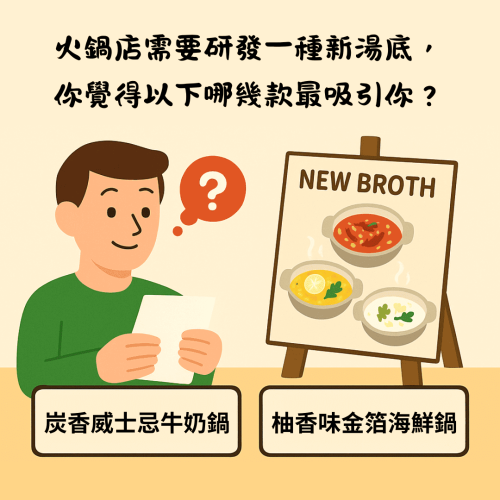
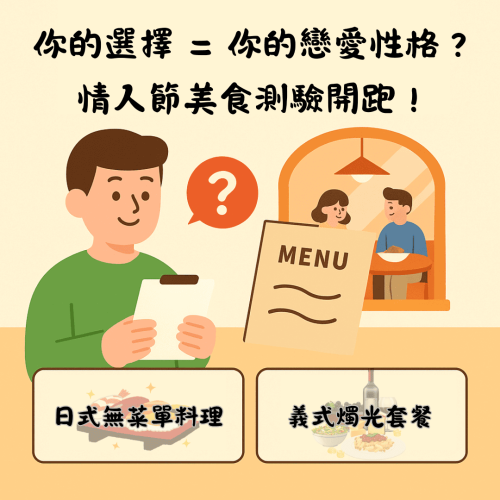
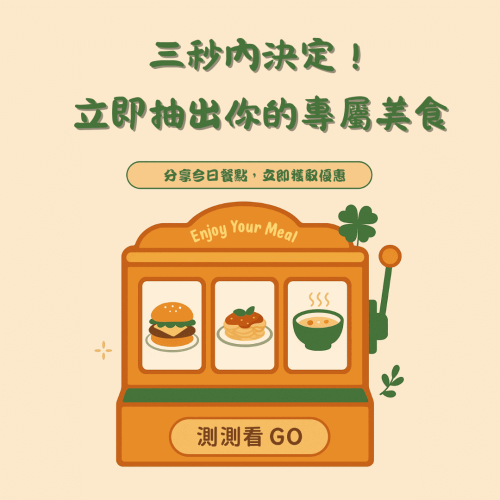
"What should I eat today?" This question plays out in countless minds almost every day.
Scrolling through delivery apps again and again, hesitating at a restaurant entrance, and in the end ordering the same thing as yesterday.
This is not just indecision; it is an everyday "small worry".
But that is exactly why "what to eat" has become the marketing entry point with the most potential for interaction.
If a restaurant brand can turn "what should I eat today" into a fun, easy and shareable psychology quiz or interactive game, it not only helps customers decide but also plants the brand firmly in their dining memories.
If restaurant brands use fun quizzes to turn consumers from "ordering" into "taking part in the choice", they not only increase brand interaction but also inspire users to share and create UGC, effectively amplifying their social voice.
From "your personal set meal personality" to "which hot pot broth soul are you?", restaurant brands can combine menus, flavors and scenarios to design highly talkable psychology quizzes, letting consumers play while they eat and laugh while they take photos, until they finally "take in the brand image".
Tips for execution:
1️⃣ Wrap taste preferences in scenario questions
For example, "You're in charge of picking the restaurant for a dinner with friends. You would…?" or "Looking at 10 hot pot broths on the menu, which one do you pick at first glance?" Fun, easy questions help uncover consumers' taste preferences and eating habits.
2️⃣ Quiz result = recommended dish or set meal
Match results to the brand's menu, such as "You're a hot and sour adventurer: we recommend the Sichuan-style pickled chili pepper hot pot" or "You're a gentle romantic: we recommend the rich and creamy milk hot pot". It's fun and directly drives orders or reservations.
3️⃣ Pair with character illustrations or social media templates
Design stylized character or scene cards so users get fun result images like "Which hot pot broth personality am I?", making them easier to share on Instagram, LINE or Facebook and boosting social reach.
4️⃣ Combine with offers or prize draws
For example, "Get a free selected drink when you finish the quiz" or "Screenshot your result and tag a friend to win a free set meal", turning social spread into real store visits.
Whether it is film and entertainment with strong IPs, fashion and beauty brands focused on style, or restaurants and services built on everyday experiences, psychology quizzes are no longer just entertainment; they are a key medium for connecting brands with consumers.
They cleverly wrap product features, brand values and service options into fun interactions, so consumers "remember you while they play" and share the experience on social media, sparking further spread and word of mouth.
Because of their high participation and high conversion, psychology quizzes have become a marketing tool that works across industries. Whether you sell physical products, provide services or promote events, as long as you tap into users' interests and situations, you can create a fun, memorable and meaningful interactive brand experience.
Every industry can use psychology quizzes, combined with its own products or services, to create personalized, shareable content experiences that quietly deepen brand impressions and strengthen emotional connections with consumers.
Now it's time for your brand to be "known" in a new way!
GameNobility case study | The Mystery of Destiny Island Coffee: a coffee adventure quiz combining culture x nostalgia x psychological projection
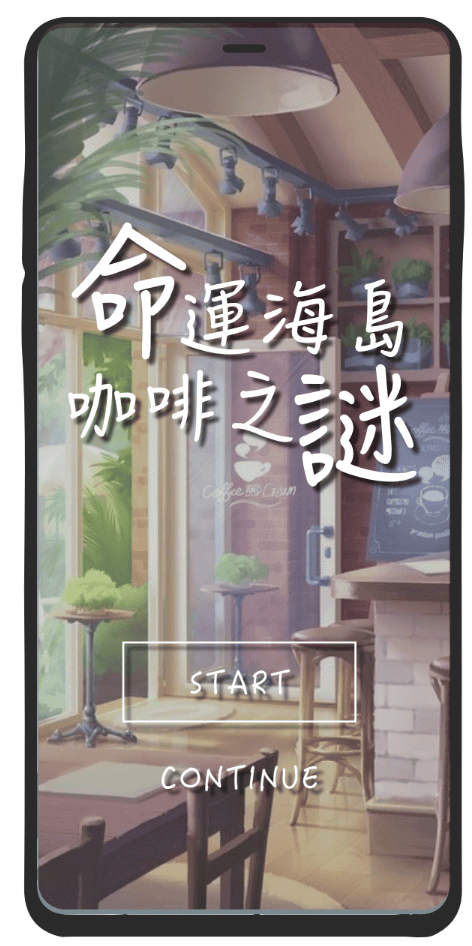
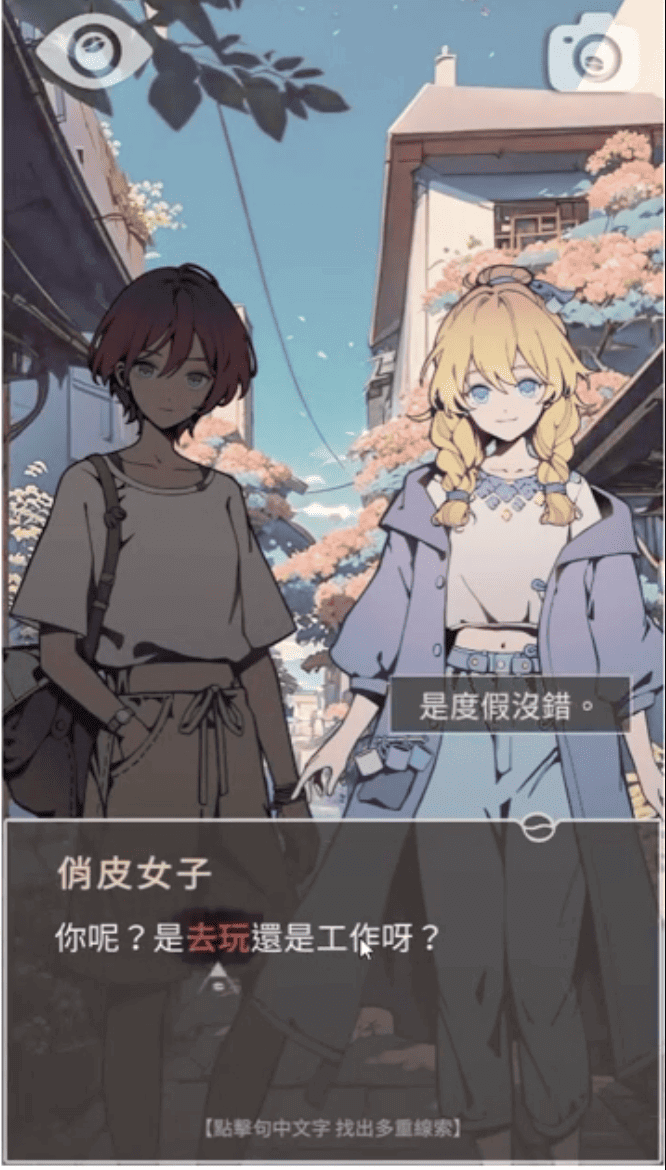
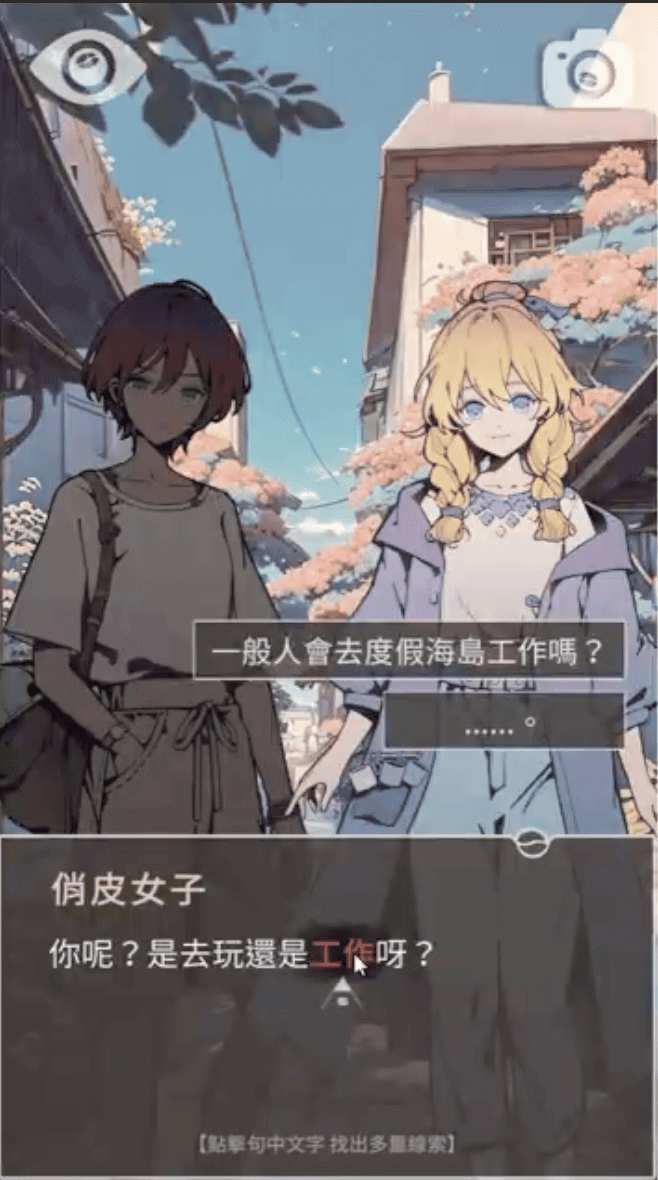
We designed a text-based interactive game set in "the coffee ecosystems of Taiwan and the Pacific Islands". The whole game is built around a "seven-day journey" in seven chapters. Each day, players visit a café with a different style and experience the local culture, people and coffee.
In each chapter, players can choose a cup of coffee from the café's menu and interview a character to learn about local stories and emotional connections. With this design, players experience 7 cups of coffee in different styles and 7 interviews with real people over the whole journey.

In the end, this seven-day interactive journey analyzes players' coffee choices, ways of asking questions and interview interactions in each chapter to determine their personality traits, emotional tendencies and flavor preferences. It then presents a unique psychology quiz result that speaks to the heart in delicate language full of everyday life.

The moment players see their result, they often smile and say with feeling, "So this is who I am!"
The ending of this psychology quiz also emphasizes emotional resonance and the motivation to share. With result cards made for screenshots and recommended café or travel styles, users are happy to share the journey on social media and discuss it with friends, driving natural spread and extending brand affinity.
The Mystery of Destiny Island Coffee: interactive game goals and design concept:
-
Coffee as the hook: making players aware of the ecological chain and cultural value behind it
-
Cleverly bringing in the 17 SDGs: letting players feel global issues and local connections through stress-free learning
-
Embedding the psychology quiz in choices: so the result emerges naturally rather than abruptly, adding accuracy and immersion
-
Combining a stamp collection mechanism with coffee recommendations: so the quiz doesn't end when the game does but extends into real-life action
🔄 Experience designed in stages: each chapter offers insight, and the finale brings the personality profile together
This quiz is not a single-path psychological analysis but an interactive process of layered guidance and step-by-step analysis.
📆 Six chapters x each chapter gives a quiz result with fortune advice for players
In the first six chapters, each player receives a personal "fortune advice for the day" based on the coffee chosen and the interview. It might be a gentle reminder, guidance about relationships or creativity, or feedback on their state of mind.
Users not only enjoy the interaction but also build a continuous "sense of anticipation" that motivates them to finish the whole journey.
On the seventh day, players receive a complete personality result based on their behavior and choices in the first six chapters. This personality analysis combines:
-
Coffee flavor preferences (such as more bitter, more acidic, single origin or blend)
-
Word types and choice tendencies in interviews (subjective vs objective, outgoing vs reserved)
-
Small psychological traces reflected in each day's summary
The final result gives multi-dimensional personality labels (such as "thoughtful traveler", "emotional perceiver" or "value-driven consumer") and recommends the coffee style, interactive café type and travel companion type that suit the player best.
Highlights of The Mystery of Destiny Island Coffee:
-
The ending combines multi-dimensional analysis with concrete suggestions, making users more likely to feel it is "accurate, fitting and fun"
-
Step-by-step encouragement in short chapters drives completion rates and creates screenshot-ready UGC material at every step
-
Turns the psychology quiz from a one-click experience → into a game journey with story and a sense of everyday companionship
This design means the quiz is not just about "getting a result" but an immersive journey with a beginning, development, twist and ending, full of choices and emotional ups and downs. Players are no longer just answering questions; they become the protagonists of the story. By choosing a cup of coffee and interviewing a character each day, they step into the people, origins, culture and flavor philosophy behind the coffee.
Over these seven days and seven chapters, every choice reflects the player's values, personality tendencies and emotional projection. Through this detailed experience design, we also cleverly weave the ideas the brand wants to convey, whether sustainability, terroir, memories of the land, the relationship between people and nature, or regional revitalization and cultural preservation, into every cup of coffee and every story.
It's not just playing a quiz; it's quietly hearing what the brand wants to say and stepping into the worldview the brand wants to show. With the right design, it can spark strong reader interest and create a UGC marketing effect at the same time!
So this is not just a psychological analysis but a form of experiential brand communication. Through a story-driven choice process and character dialogues, players subtly get to know the brand's spirit and more easily build a psychological connection and goodwill toward the brand. This design is especially suited as the centerpiece of a brand campaign or a core tool for building a worldview, and can even be extended to cross-field uses such as educational outreach, local guided tours and cultural tourism.
Start planning now: what should users remember from your quiz?
After seeing so many advantages of UGC marketing, the breakdown of user psychology and real cases from different industries, are you starting to think:
👉 How can your brand use a fun psychology quiz to get users to promote you on their own?
In fact, whether you are in food and beverage, retail, travel, beauty, or even education or cultural and creative services, a psychology quiz can be one of the most interactive and most shareable marketing entry points.
It is not just entertainment but a way of communicating through "user participation design", turning your brand from something people watch into something that is embraced, shared and remembered.
Have you figured out how your industry can use psychology quizzes for UGC marketing?
Why not start with one question or one theme and create an experience users want to share.
Create a quiz for your brand nowLet psychology quizzes bring UGC marketing results to your brand! Turn users' sharing into your marketing power!