How to choose a character design style: building your own IP from 0 to 1, with characters people notice, remember and use!
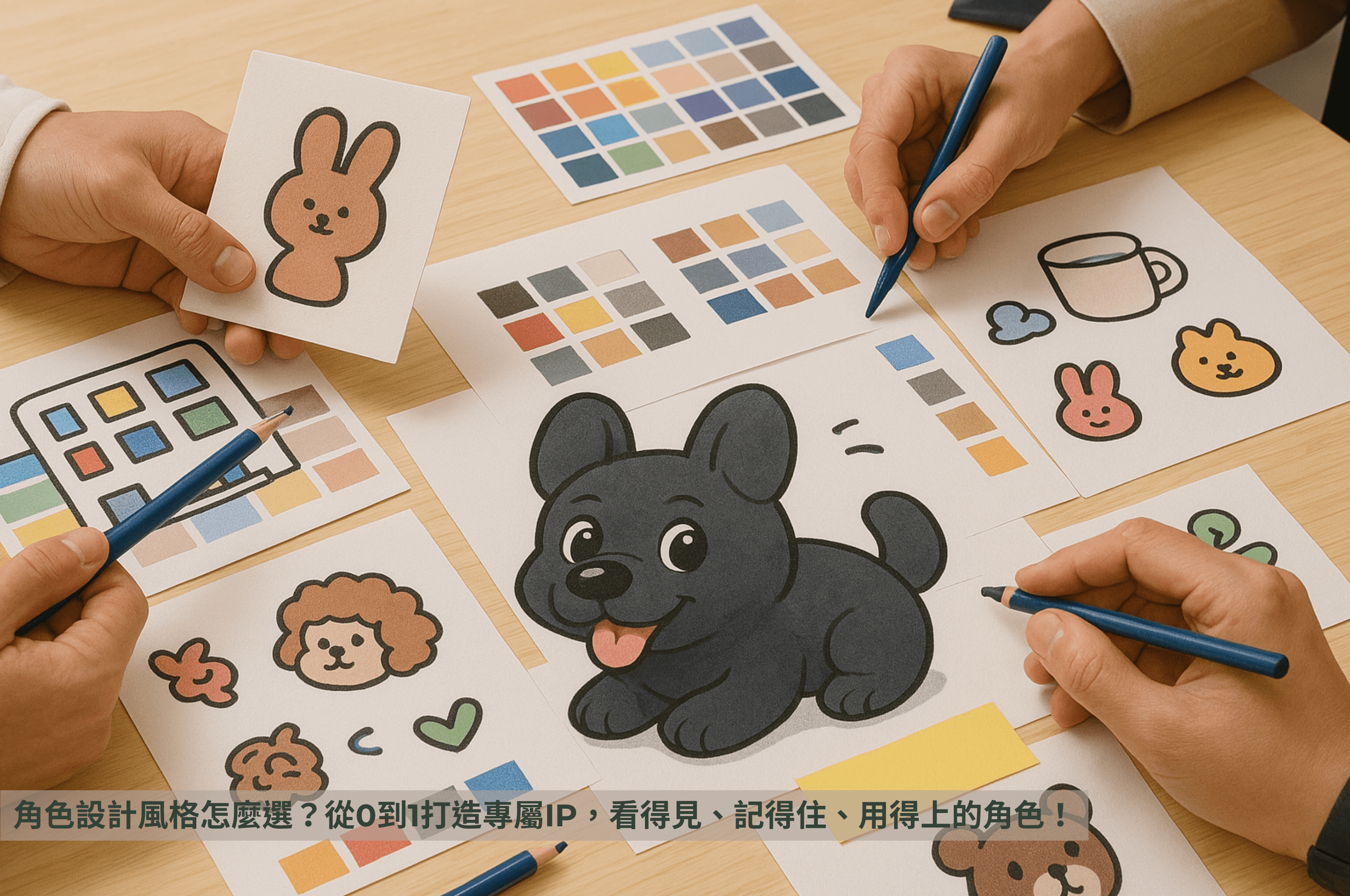
In an era where looks are everything, character design is not just about drawing a cute figure; it is the beginning of shaping a brand's soul and story. How do you choose a character style? How do you build your own IP from 0 to 1? The key is not just drawing skill, but observation, storytelling and continuous market validation.
Today we'll break it down step by step: from choosing a style and the design process to success stories, GameNobility walks you through how character design is done!
How do you choose a character design style?
"If I'm planning brand illustrations or an IP character, how should I choose a style?" This is the big question every brand owner, entrepreneur, marketer or designer faces in early planning. After all, style is not simply about whether it looks good. It directly affects your brand personality, target audience and product positioning, and even decides whether it can be commercialized smoothly later on. (Further reading: IP character licensing: how can character design be commercialized successfully?)
Drawing on hands-on experience, GameNobility offers three key questions to help you set clearer criteria and direction before you start discussing or sketching:
- Target audience
- Brand personality
- Use cases
1. Start with your target audience
- Young people or trend lovers: consider a street graffiti style or a modern geometric style
- Family and lifestyle brands: a hand-drawn style or cute illustrations feel more approachable
- Luxury goods and cultural exhibitions: a minimalist or retro style is a better fit
2. Then define your brand personality
- If your brand image is calm and professional, avoid styles that are too playful
- If your brand values freedom and creativity, use bold colors and lively lines
3. Consider the use cases
- Used widely on social media, websites and merchandise: the style must be flexible and look clear in every medium
- Used for a one-off campaign: you can boldly try a stronger or more buzzworthy style that leaves a lasting impression at first sight!
No more confusion! 6 common IP design styles explained in 5 minutes
1. Cute chibi style
The most classic example has to be the Sanrio family!
This hugely popular IP kingdom from Japan has created countless classic characters, and adults and children alike each have their own favorite. The secret to Sanrio's success is that its characters capture the essence of the cute chibi style perfectly: simple rounded lines, warm colors, charming smiles and small accessories you remember at a glance.
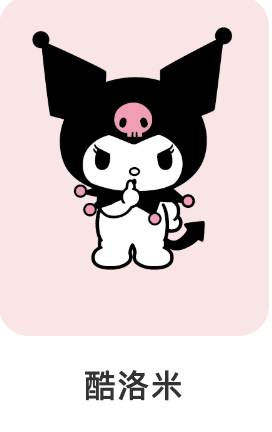
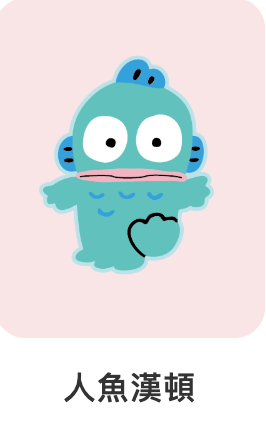
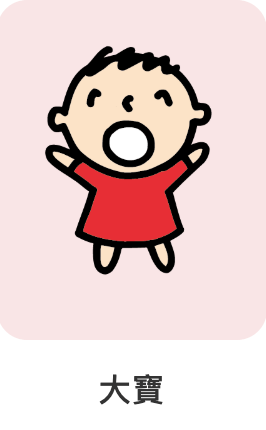
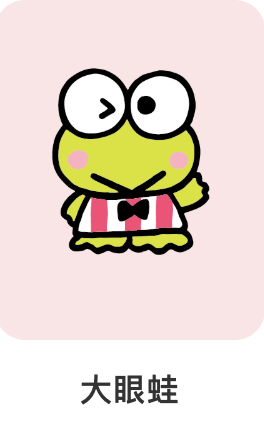
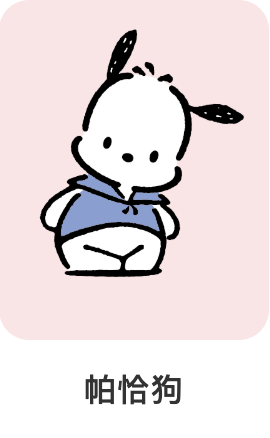
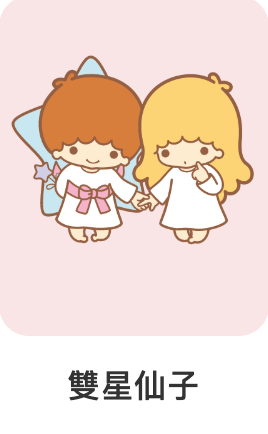
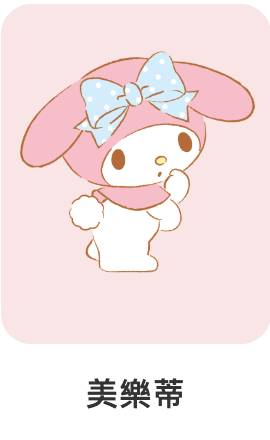
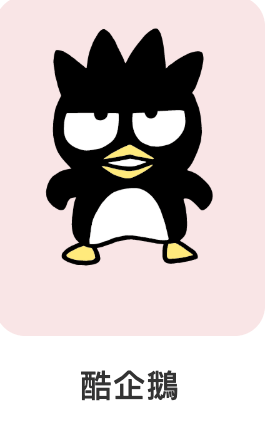
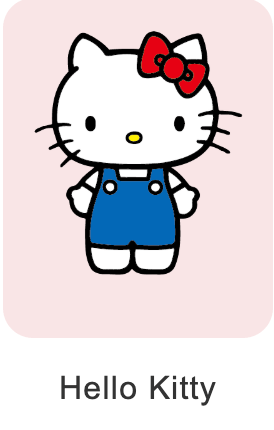
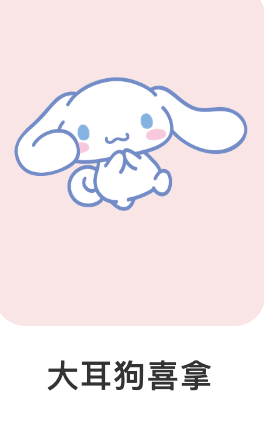
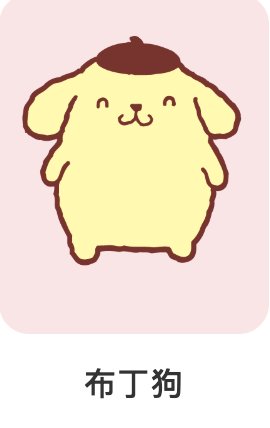
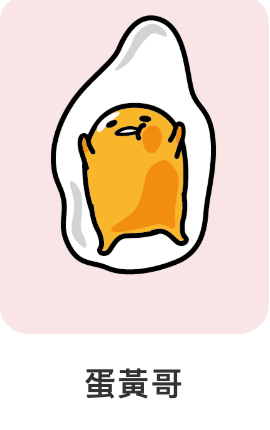
Images from the official Sanrio website. For case study reference only. Imitation is strictly prohibited. If you believe any rights have been infringed, please contact us immediately!
2. Street graffiti style
A representative example–KAWS, who started out as a graffiti artist in New York, has a bold, irreverent style. His work often appears in designer toys, limited-edition apparel and art exhibitions, and he holds a firm place in street culture!
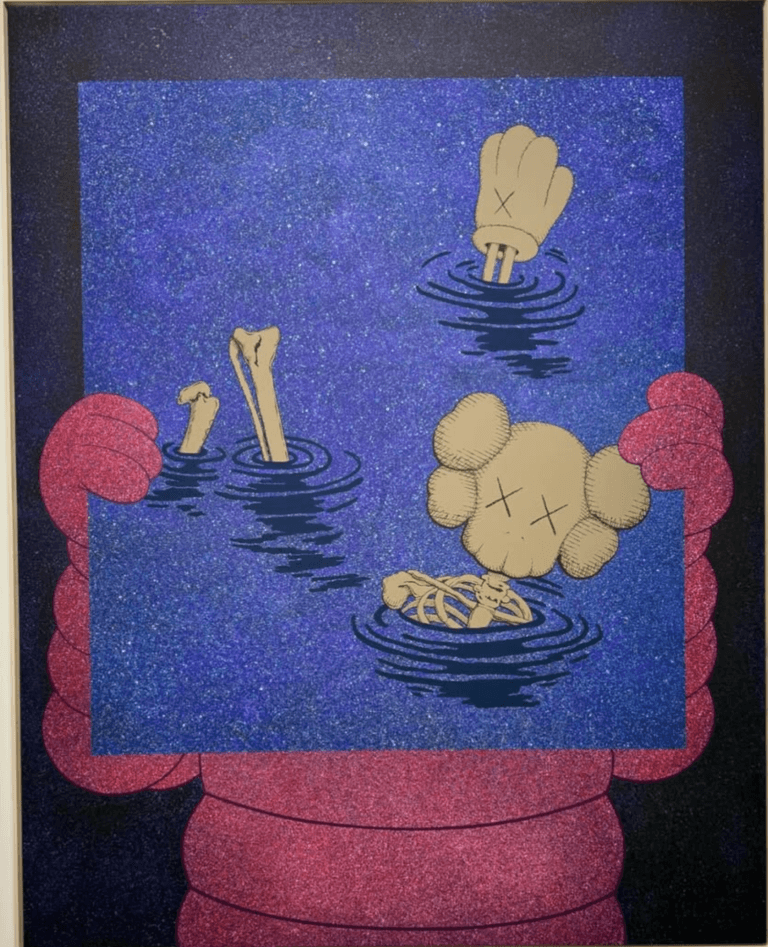
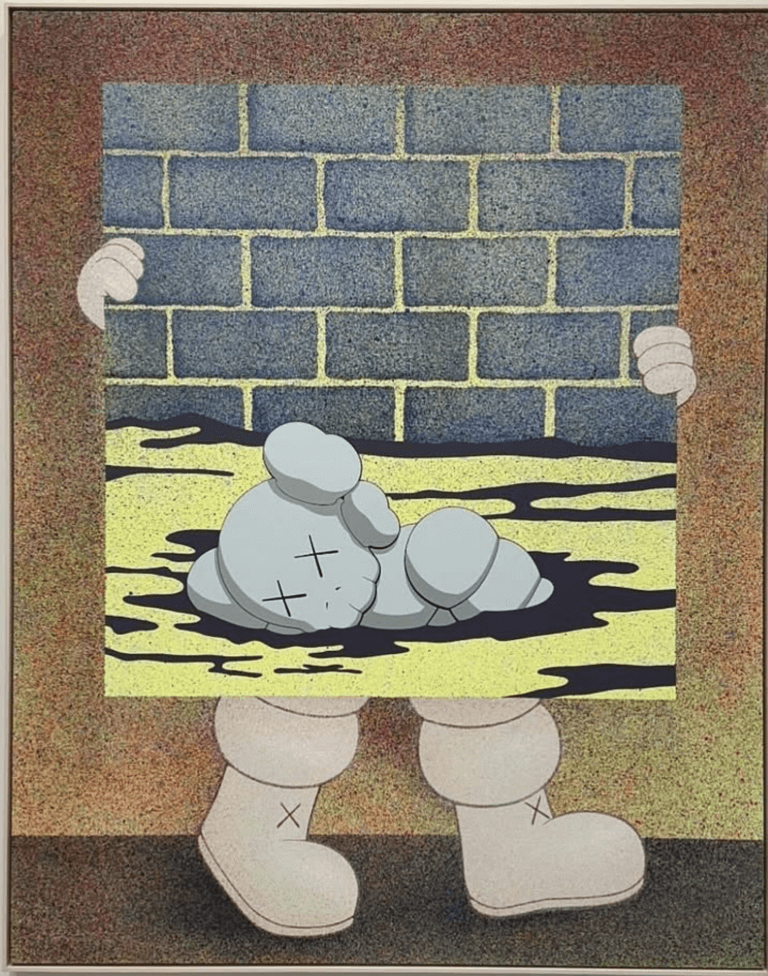
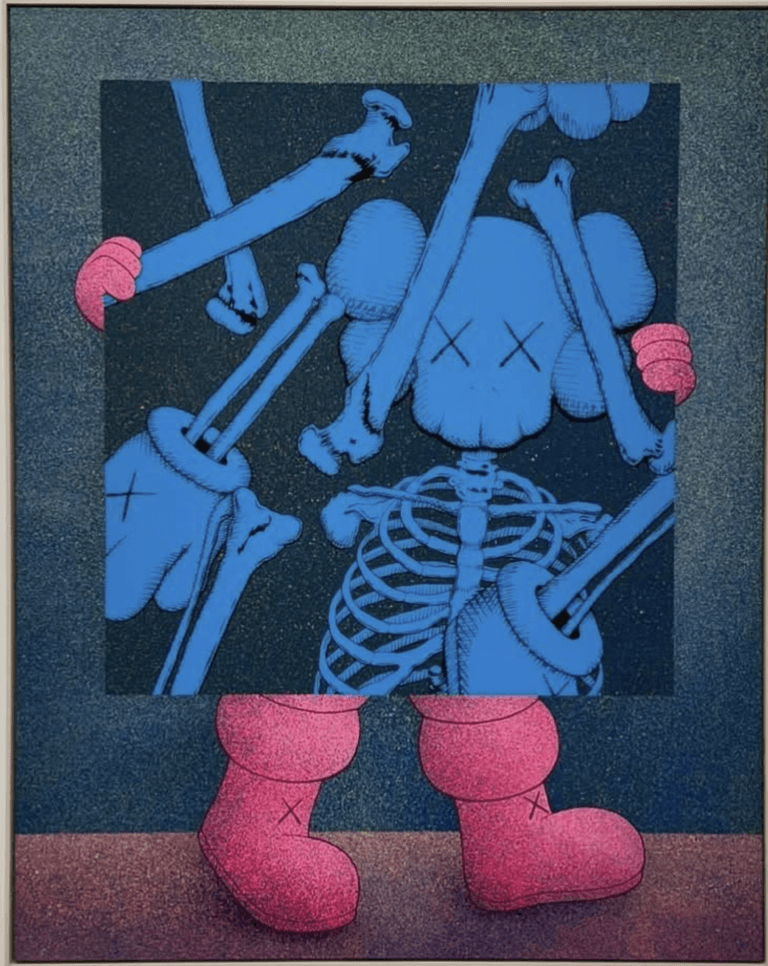
Image from KAWS official Instagram. For case study reference only. Imitation is strictly prohibited. If you believe any rights have been infringed, please contact us immediately!
3. Semi-realistic style
Take the Disney princesses: realistic body structure combined with big eyes and slightly exaggerated proportions keeps the fairy-tale feel. The details are highly complete: hairstyles, outfits and accessories all tell a story, and the colors are clear and distinct. That in itself is the brand's visual asset!

Image from Pinterest. For case study reference only. Imitation is strictly prohibited. If you believe any rights have been infringed, please contact us immediately!
4. Japanese anime style
Take Hatsune Miku: the main color is a mint green-blue (techy and futuristic), paired with a black tech outfit, gray elements and pinkish-purple details, unified yet layered. The costume design is intricate, often with lace, metal and decorative parts, and cleverly reflects the world setting, such as futuristic electronic elements and electronic panel symbols on the cuffs.

Image from Fandom. For case study reference only. Imitation is strictly prohibited. If you believe any rights have been infringed, please contact us immediately!
5. Hand-drawn line style
Hand-drawn line characters come in many variations, with pencil, crayon, ink-wash and doodle textures, creating a cute and warm atmosphere. Line weight varies naturally, sometimes with a slight wobble or rough edges. No complex detail is needed: simple lines and subtle expressions convey warmth.

6. 3D style
The character design of Despicable Me is one of the most classic examples of the 3D cute chibi style. With strong three-dimensionality, vivid colors, rounded bodies and exaggerated expressions, the characters are both adorably goofy and hilariously funny. The design leans toward a rubbery, plastic-toy texture, so the characters feel like animated characters and can also become figure merchandise directly. Highly recognizable signature elements, with minimal yet striking color combinations. When characters leap off the screen and become physical figures, the detail excites consumers, who can truly own and touch them. Fans feel the characters are real, which builds an emotional bond with the characters' soul and extends the IP's value and life.

Image from UIP. For case study reference only. Imitation is strictly prohibited. If you believe any rights have been infringed, please contact us immediately!
Does your character have a soul? Once the style is set, get these 3 details right!
1️⃣ Backstory, appearance and personality should match
-
Cheerful character → bright colors, open arms, big eyes and a smiling face
-
Shy character → pale colors, small round eyes, inward gestures
-
Mysterious character → dark colors, reserved poses, a distant gaze
🔎 Example: the Minions' round bodies and short limbs, paired with innocent big eyes and goofy moves, make it obvious at a glance that they are here to make you laugh.
2️⃣ IP character colors: keep the main color at about 70%
-
Too many colors look messy and are hard to remember. The ideal color ratio for a character is:
-
Main color 70% (the character's most important identifying color)
-
Secondary color 25% (supports the character's image and adds depth)
-
Accent color 5% (small highlights, such as a bow or glasses frames)
-
🔎 Example: blue (main), white (secondary), red (accent). Who comes to mind?
That's right, Doraemon! If seeing the colors brings the character to mind, the design has succeeded!
3️⃣ A highly recognizable outline, identifiable even as a silhouette!
Once the design is done, turn the character into a black-and-white silhouette and compare it with other characters' silhouettes to see whether it can be recognized at a glance. A unique outline and signature pose are big pluses! You can probably recognize the three classic characters below without any hints.

The four-step character design collaboration process in one chart

- Market research + target audience positioning + competitor analysis (2-4 weeks):
Define the market position and first think clearly about who the character is for. Decide the market, then choose the right style and story direction. Based on the target market, pick a suitable visual style that can support the character's later uses (social media, merchandise, animation, brand identity). - Ideation, proposals, concept art and sketches (2-4 weeks):
Based on the target market, we work with you on the character's setting, full name, personality, backstory and habits, giving the character a soul. It is not just an image, but a character with a story to tell. - Final character design and appearance details (1-4 weeks per character):
Head-to-body ratio, outfit and accessories, silhouette recognizability tests (recognizable from the outline alone), color rules (no more than 3-4 colors: 70% main, 25% secondary, 5% accent), and signature moves that become the character's trademark. - Market testing and later adjustments (continuous optimization):
We simulate how the character works on merchandise, stickers, packaging and pop-up events, test how the head works on its own, and keep refining until market feedback and recognizability both hit the target!
See how GameNobility turned a real project into a finished character design
[Brand story | Sunny Cafe & Sunny Doll]
Sunny Cafe is our own original character and game story brand. It has been licensed to Chang Hong Publishing and published as a novel.
One of its signature characters, Sunny Doll,
is not only the soul of the whole IP world but also an important companion for players. We gave Sunny Doll a warm mission:
When players get stuck in the game, Sunny Doll is the one who guides them.
She patiently tells you all the little secrets of the game. Just like when life hits a rainy season,
finding Sunny Doll helps you pray for clear skies and brings answers and hope.
Sunny Doll is not just a mascot; in the whole Sunny Cafe universe, she is the caring character who clears things up whenever players feel lost!

- Highly recognizable outline: the overall shape is round, with cute exaggerated head-to-body proportions, so the character is easy to recognize even as a black-and-white silhouette.
- Matches the character setting: the smile and big rosy cheeks show a cheerful, positive, problem-solving personality, making the character friendlier and more soothing and conveying reassurance and positive energy!
- Simple colors with a clear main color: white is the main color (about 70%), symbolizing purity and clear skies; the secondary colors are light pink cheeks, light brown and gold fasteners (about 25%)
- Signature element design: the metal fastener at the waist makes the character recognizable and also works well for future merchandise
- Highly versatile: the round head can be used on its own on figures, pillows, keychains and other products. The detachable head design also works for in-game guide icons and social media stickers
Where can you use your character? Simple examples to learn from
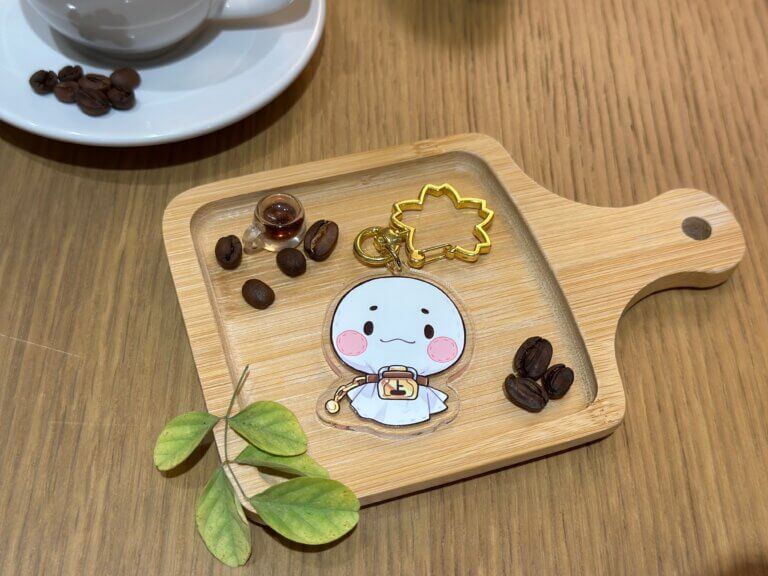
Physical merchandise example: keychains
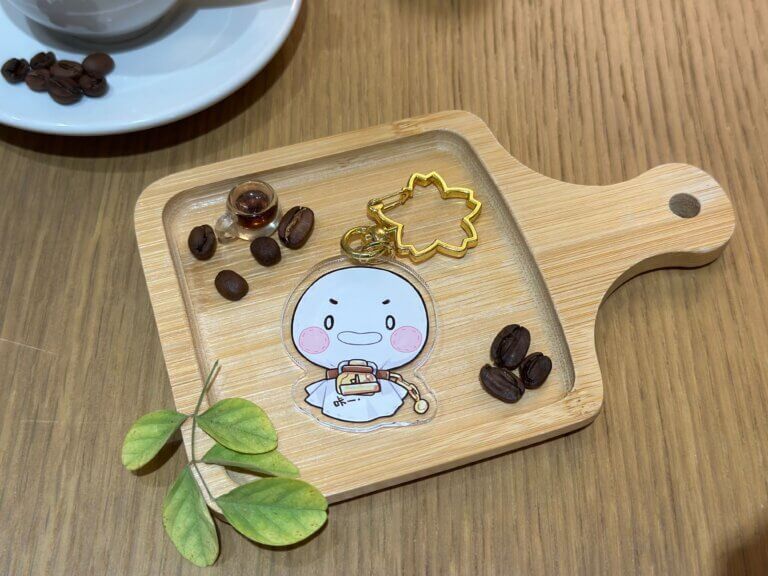
- Highly recognizable and easy to extend into single items:
Even shrunk down to a keychain, the mascot is still clearly recognizable! Each keychain shows a different expression (happy, goofy, surprised and more). Limited and collector's edition keychains can further fuel the collecting craze, so each Sunny Doll is not just cute merchandise but a collectible with a story and meaning. - Practical and highly visible in daily life:
Keychains are easy to carry and can hang on bags, phones and keys, adding exposure for the character in everyday life and turning it into a walking brand sign. - Relatively low production cost and high flexibility:
Compared with larger merchandise (figures or pillows), keychains cost less to make, and limited editions can be launched quickly for seasons or events to create buzz. They can also be used as marketing giveaways… and more.
Physical merchandise example: drip bag coffee

- Bringing story elements to life for an immersive marketing experience
The drip bag coffee is not just character merchandise but a product extended from the character's missions and story. It lets players recreate moments from the game in real life, strengthening their emotional connection and memory of the character. Sunny Cafe is not just a game title but a complete world. Launching coffee merchandise fits the brand setting and shows our ability to integrate IP design in detail, further strengthening our professional brand image. - A key touchpoint for fan economy and community engagement
In the future, drip bag coffee can come in limited editions based on story progress or the character's mood (for example, a "First Sunny Day" edition or a "Lost Way Special Blend"). This boosts collectibility and buzz, and can also connect with in-game missions and social media campaigns (such as sharing a coffee moment for a chance to win virtual items), linking online and offline interaction. - Creating a representative IP marketing case for the industry
Game content and physical products echo each other. Through the Sunny Doll coffee series, we hope to demonstrate a complete industry model that goes **"from character story → merchandise → marketing value"** and create products that tell a story.
Extended use: social media posts and marketing materials
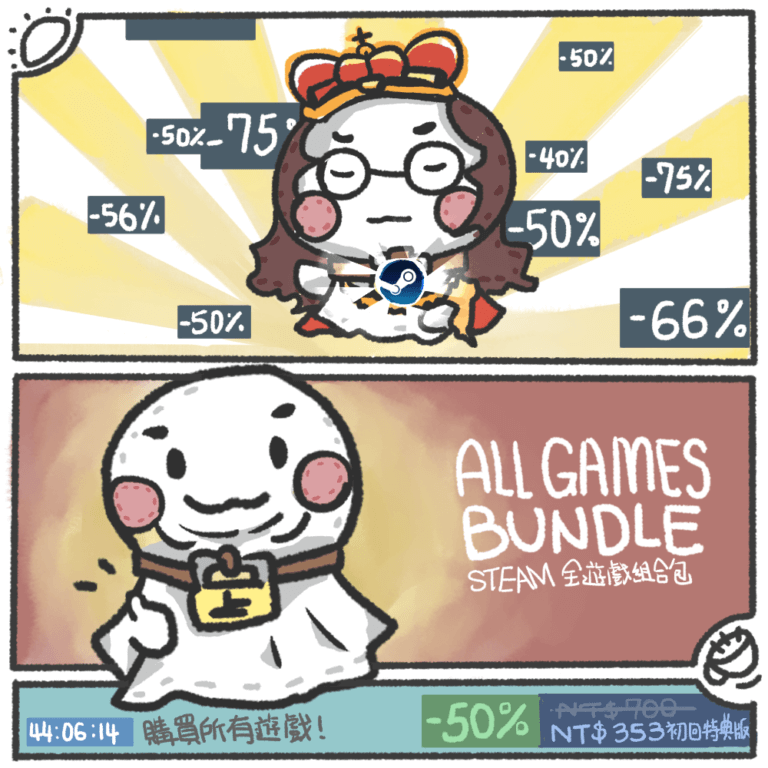
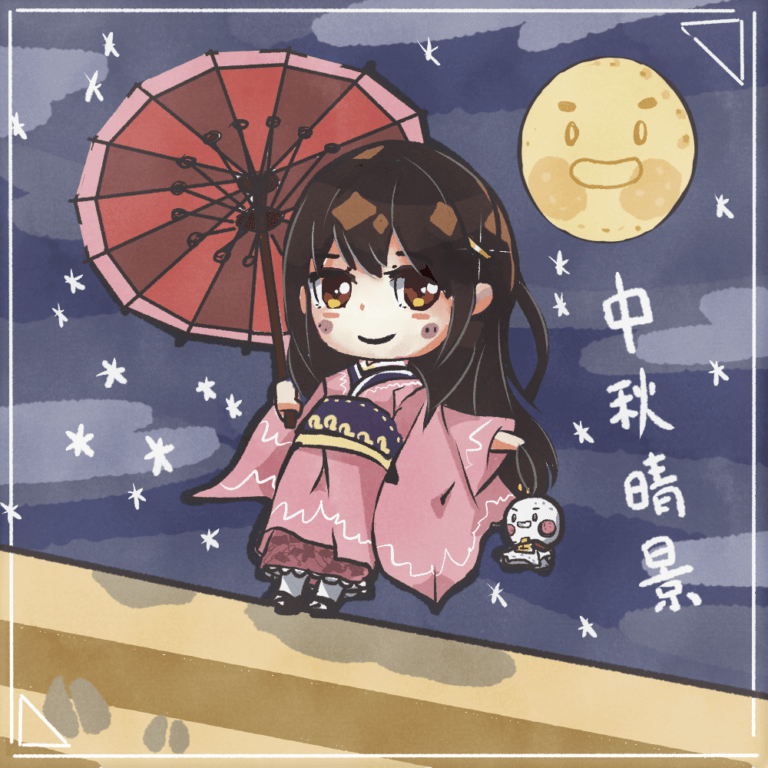
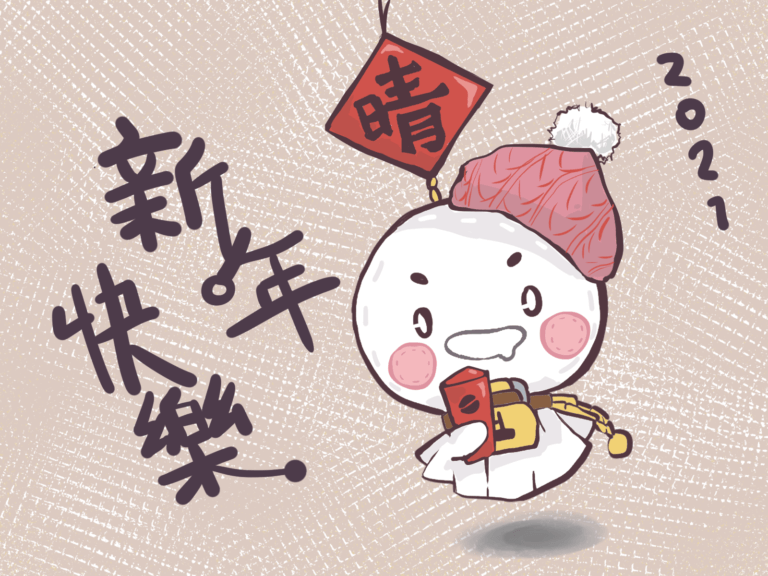
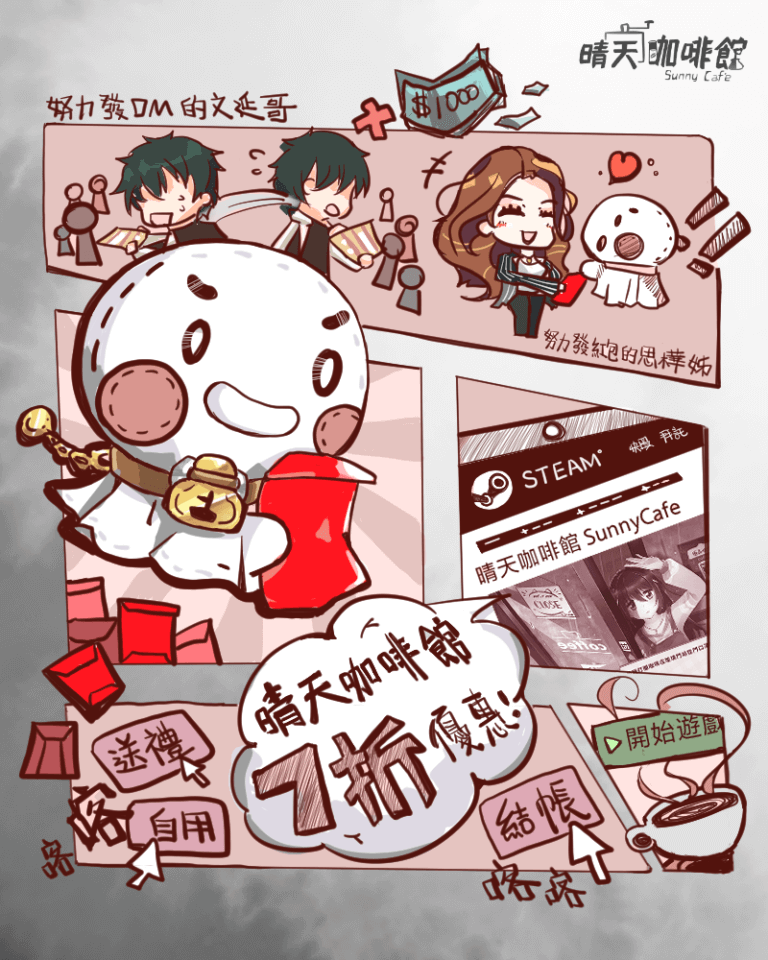
Beyond physical merchandise, a highly recognizable IP character is also great for social media posts and marketing materials. For early-stage brand building, when there is not yet much ad budget or awareness, making good use of your IP character on social media is an effective way to quickly raise brand recognition and goodwill. A cute, recognizable IP character is like the face and spokesperson of your brand's social media!
✅ Makes posts more visually recognizable:
Even without looking at the account name, fans can tell at a glance that the post comes from your brand.
✅ Use the character's expressions or poses to share daily moods, holiday vibes or brand reminders:
This makes posts friendlier and more relatable. Beyond selling products, it keeps fans company in their everyday lives.
In short, the character is not only the star of your merchandise,
but also the spokesperson of your brand's social media,
helping your brand build a one-of-a-kind visual memory and raise brand recognition!
Create a character people can see, remember and use, starting now!
While others are still using generic stock images for marketing,
you can use a living IP character with a soul to catch consumers' eyes,
so every time they scroll past a post, they know at first glance: this is your brand.
This strong visual identity helps users remember the character first.
That is the power of an IP character.
When the character appears often enough, across all kinds of scenes and interactions,
people gradually come to see the character as the brand.
In the end, this naturally leads to:
Remember the character → get to know the brand → like the brand → start buying
as the user's conversion path.
Building an IP with a soul is not about how many resources you have, but about:
✨ Precise character positioning and long-term planning
✨ The flexibility to listen to the market and adjust your strategy!
This is definitely not something only big companies can do. By continuously optimizing and nurturing every interaction between your character and users, your character can become the face of your brand and you can create a classic IP of your own.
Now is the best time to bring your character into consumers' lives.
Let your character be not just seen, but loved and collected, becoming the key to making your brand remembered.
👉 Want to create an IP character just for your brand? Let's talk and help you start from zero!
Create your own IP now