Why KaKa Foods chose GameNobility for a LINE pet-raising game
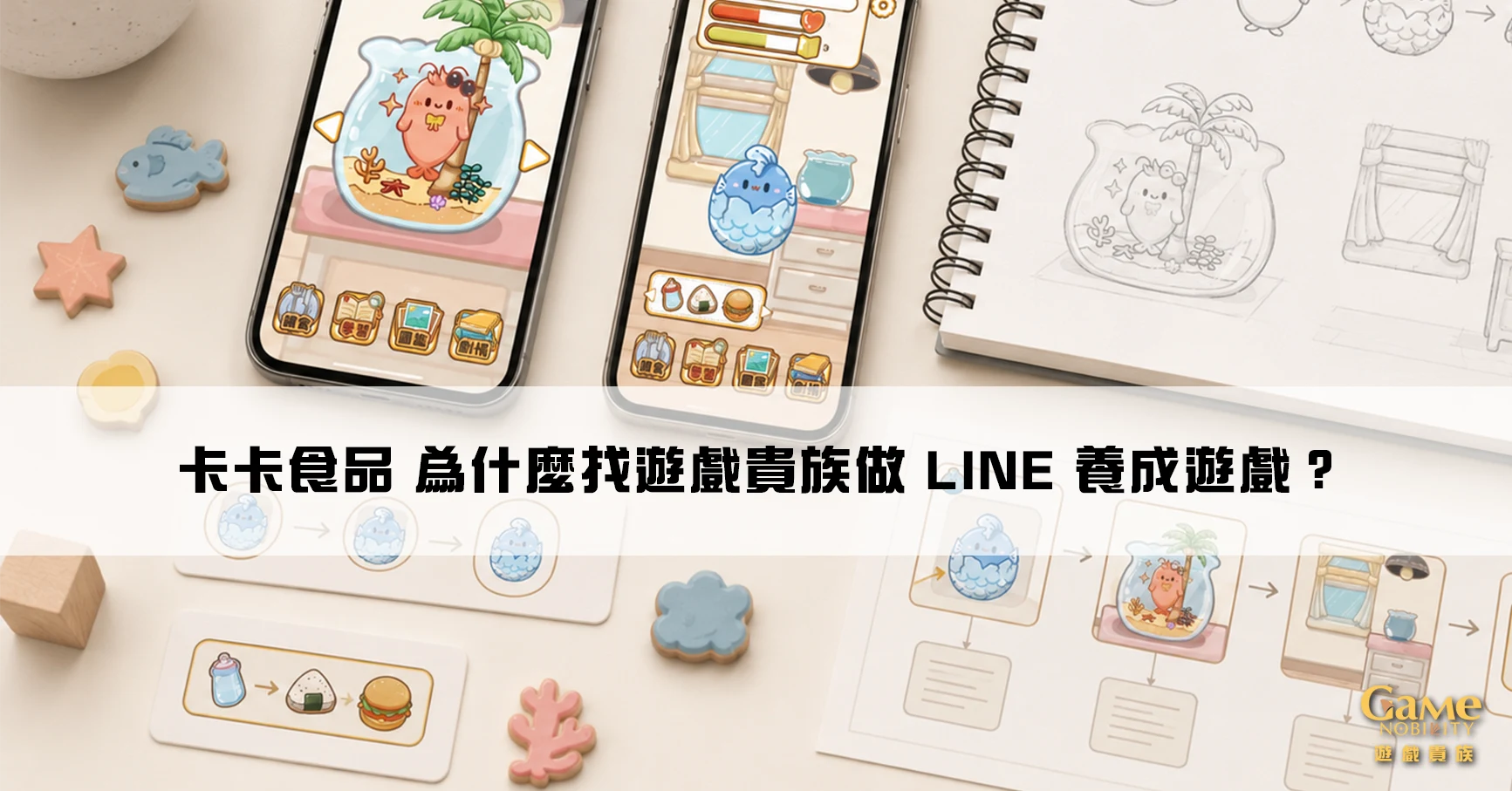
From a "virtual pet" idea to a Pet Diary that brings consumers back to the brand
When KaKa Foods first came to GameNobility, it did not have a complete game plan. It had an intuitive idea: it wanted a pet-raising game similar to a virtual pet.
This direction is easy to understand. For a tourist factory and food brand, a game lets the brand's characters appear not only on packaging or signs on site but also on the phones consumers use every day. But once the team actually started evaluating it, they quickly found that between "wanting a virtual pet" and "making a game people are willing to keep opening" lies a whole chain of questions about audience, gameplay, platform, traffic and operations.
What makes this project worth discussing is exactly this process of turning a vague idea step by step into a product that could be built.
This is a case study of a LINE pet-raising game that drives traffic to a tourist factory: GameNobility turned KaKa Foods' "virtual pet" concept into character raising, return reminders, on-site entry points and an operations process, extending brand interaction from a one-time visit into everyday phone use.
The partnership started with a website form, but it was settled in the factory
KaKa Foods first submitted its request through the GameNobility website form. What it provided was more like a concept document, explaining that it wanted a pet-raising virtual pet game, but the gameplay, platform and real usage scenario were not yet fully worked out.
GameNobility did not just send a quote on receiving the request. The team first held repeated discussions by phone and video call and proposed adjustments based on the brand's initial ideas. The two sides talked for some time, but the direction still had not come together. About one to two months later, the team decided to go to the tourist factory in Changhua and meet the client in person to discuss the project in full.
That in-person meeting became the real turning point of the project. For the brand, the team was no longer just a technical vendor on the other side of a screen. For GameNobility, it was a chance to understand on site how the game would be seen and how it would connect with the tourist factory. The two sides made the planned content, the way of working and the scope of responsibility more concrete, and only then did the project officially start.
This experience made GameNobility more certain that some projects cannot be settled just by holding a few more online meetings. When a client is not yet familiar with digital products, talking with the client in person is often more useful than any number of specification documents.
The client wanted a virtual pet; the team first asked "Who will play it?"
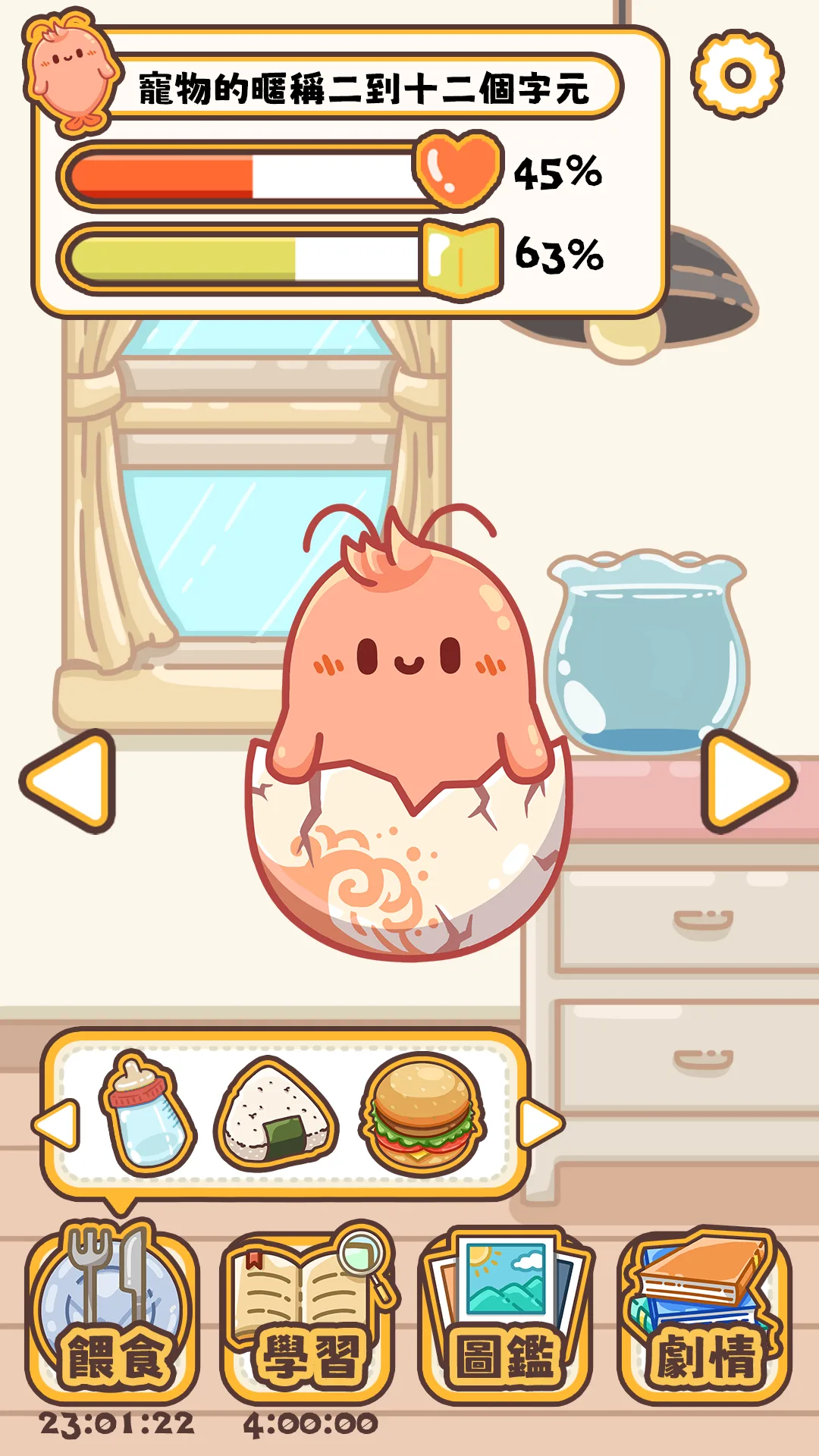
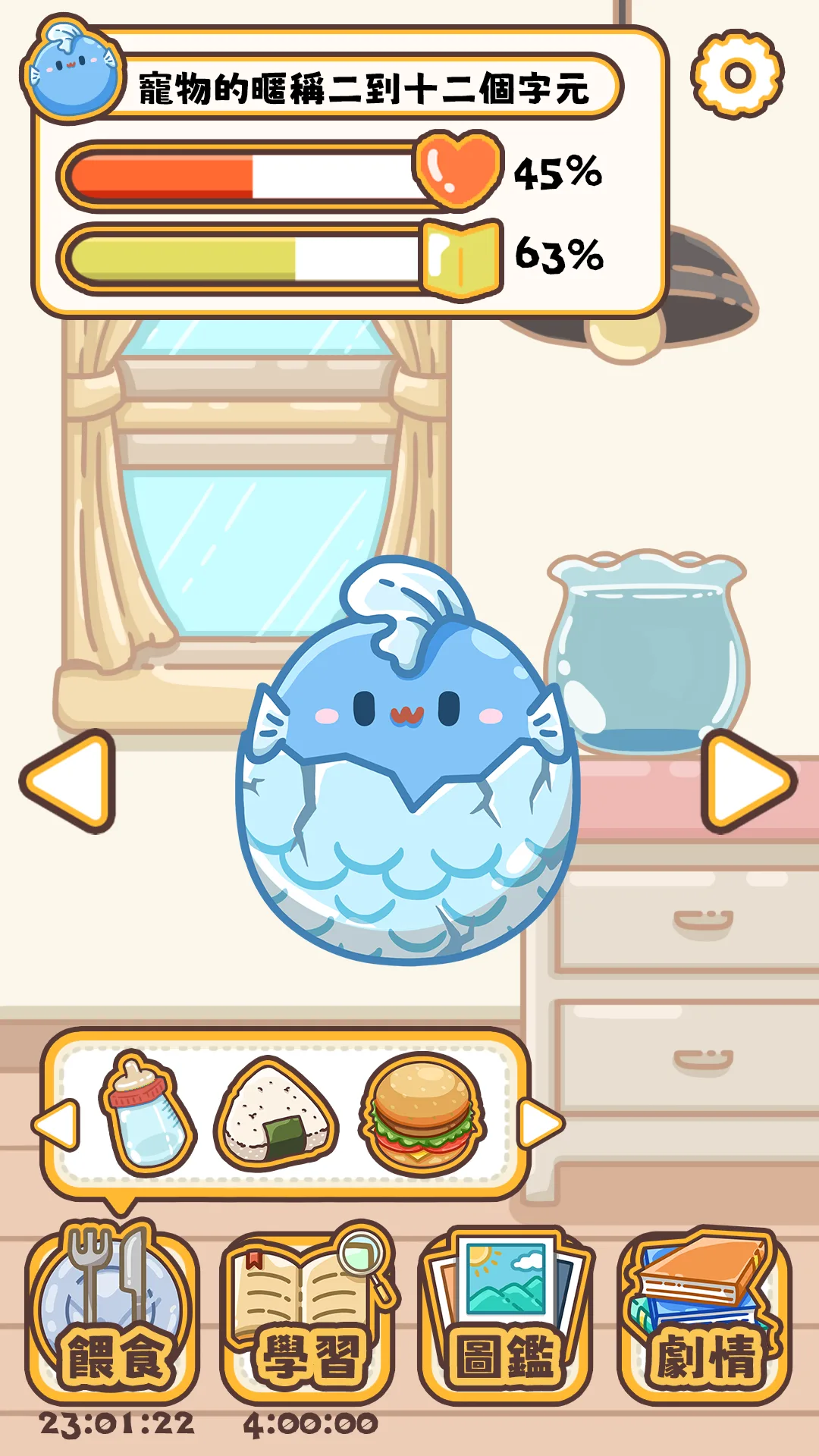
Virtual pets and pet-raising games have not lost their market just because they have been around for many years. The real question is who the brand wants to reach, and whether the gameplay can make those people care.
When companies ask for a game, they often hope that "everyone can play it." But if a product tries to please every age group and audience at once, in the end it usually does not truly win over anyone. So in early planning, GameNobility first breaks down the primary and secondary audiences, then goes back to adjust the characters, raising pace, interactions and reward design.
In this project the planning started by splitting the audience into layers. The primary audience was families with children, especially kids aged about 5 to 16, with the goal of giving families who had visited the tourist factory a reason to come back. The secondary audience included everyday snack consumers and corporate groups, who could be reached through online promotion, light interactions or invitations to come along, extending contact with the brand to a tourist factory visit.
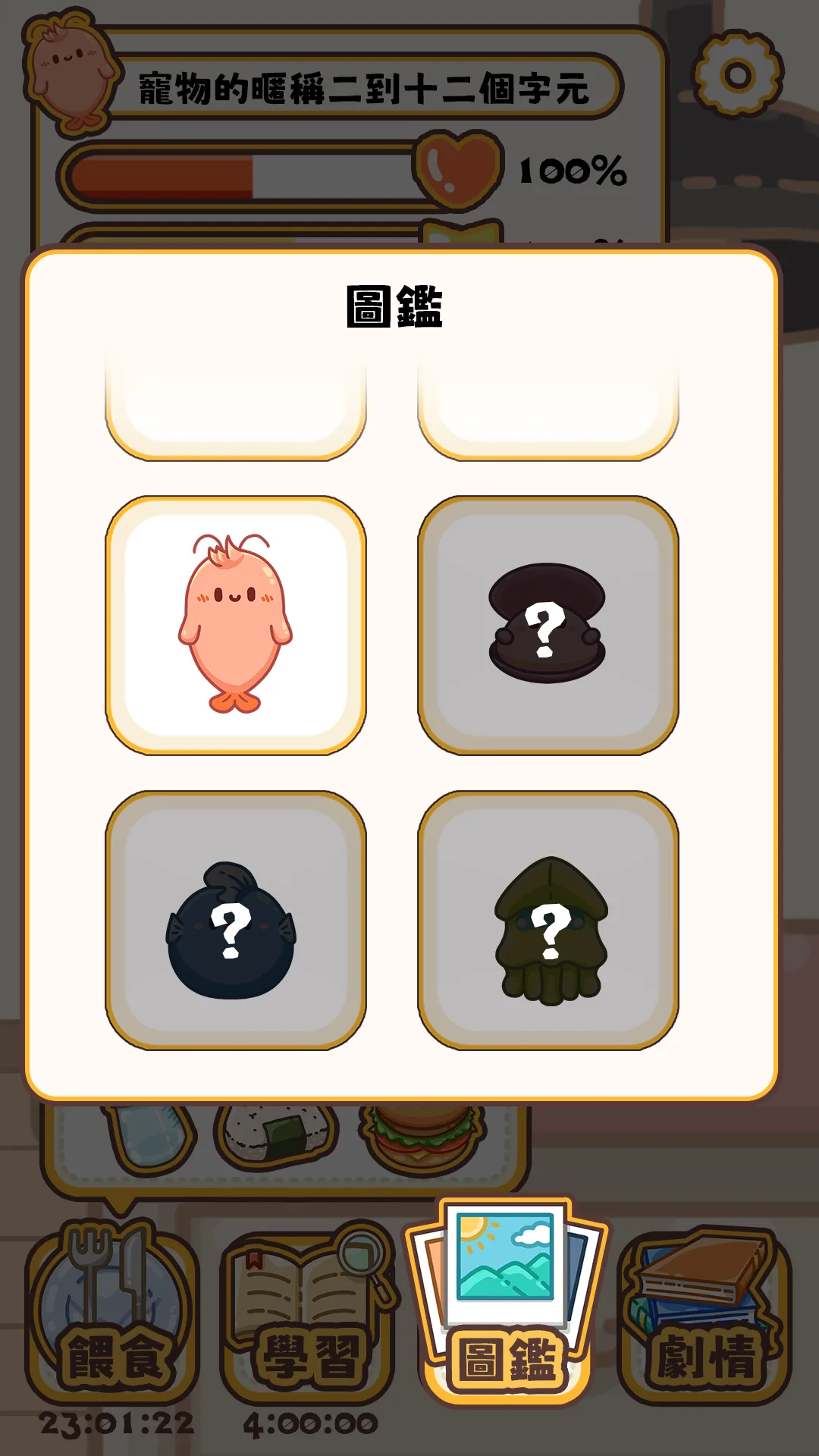
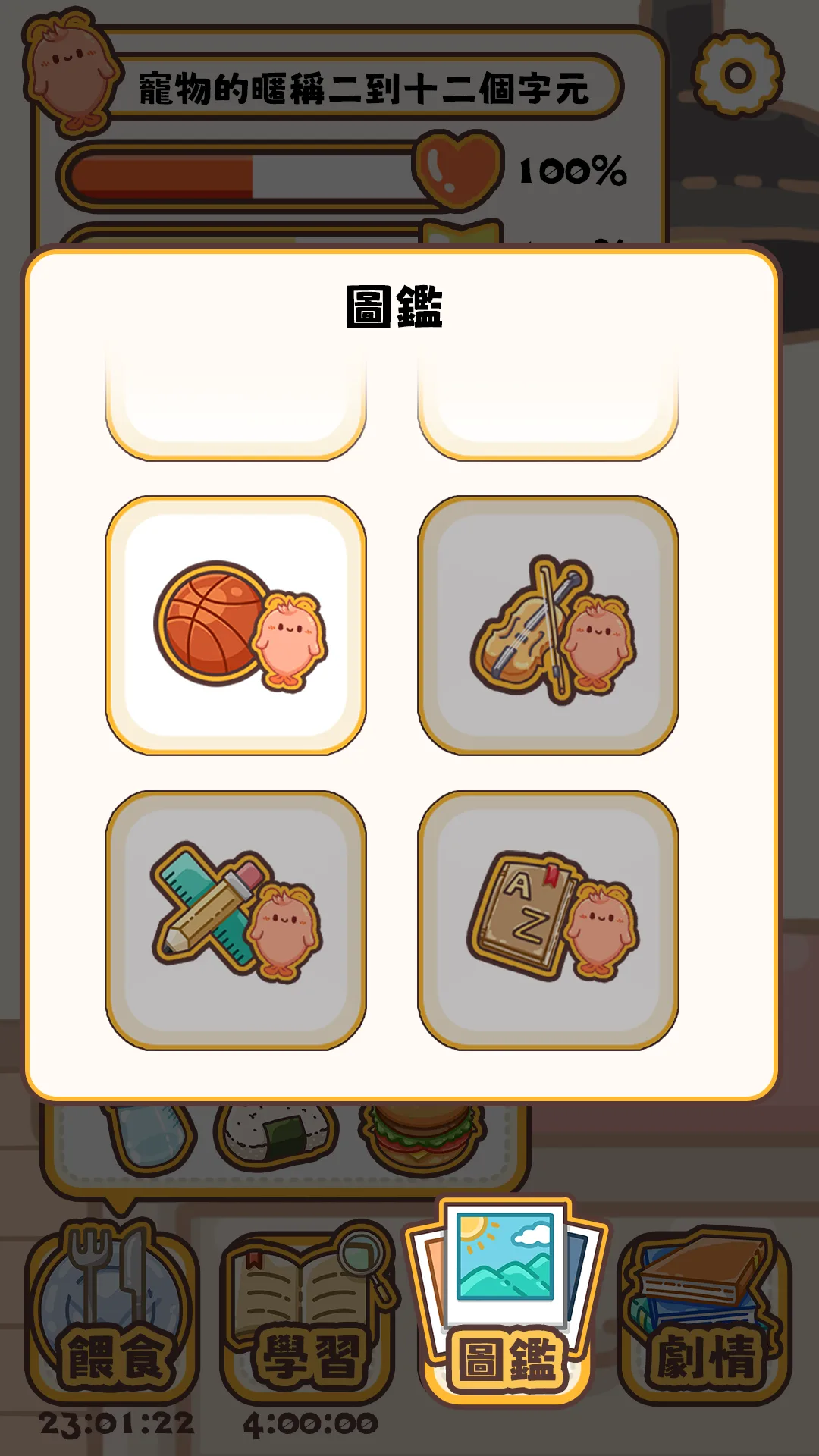
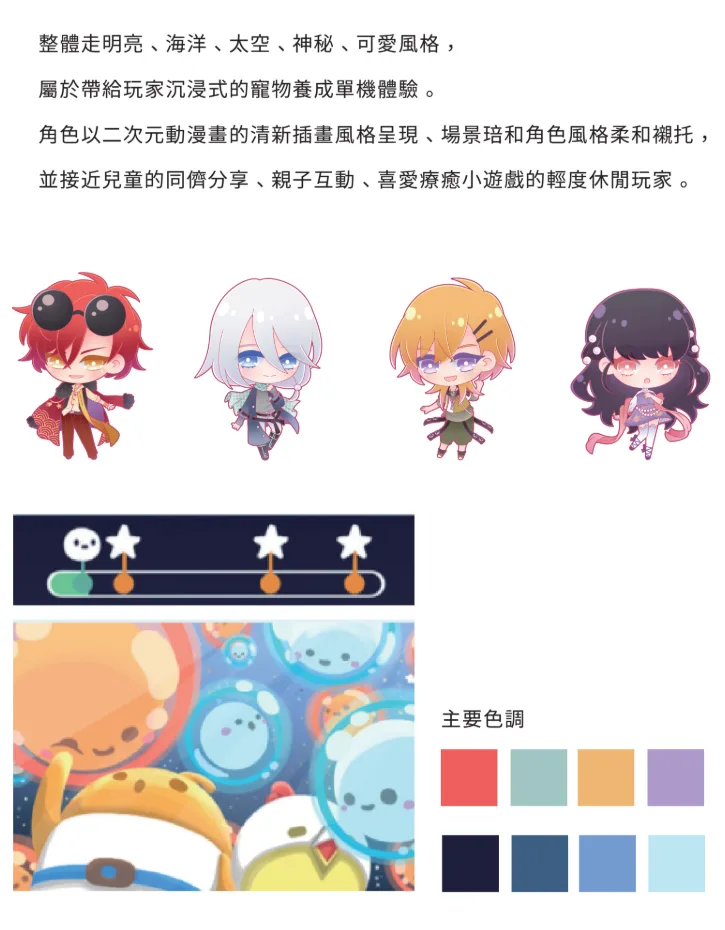
The concept KaKa Foods originally proposed was not thrown out. The team kept its core of "caring for a pet and a raising mechanic," then reorganized the content from the angles of gameplay and execution, explaining what needed to change, why the changes would make it easier to play, and how they would bring it closer to the goals the brand originally wanted to reach.
This is where game planning experience really shows its value. It is not about telling the client "this idea won't work," nor about doing whatever the client says. It is about finding the parts of the original idea worth keeping and fixing the parts likely to fail early on.
Working with a traditional industry means translating jargon into familiar terms
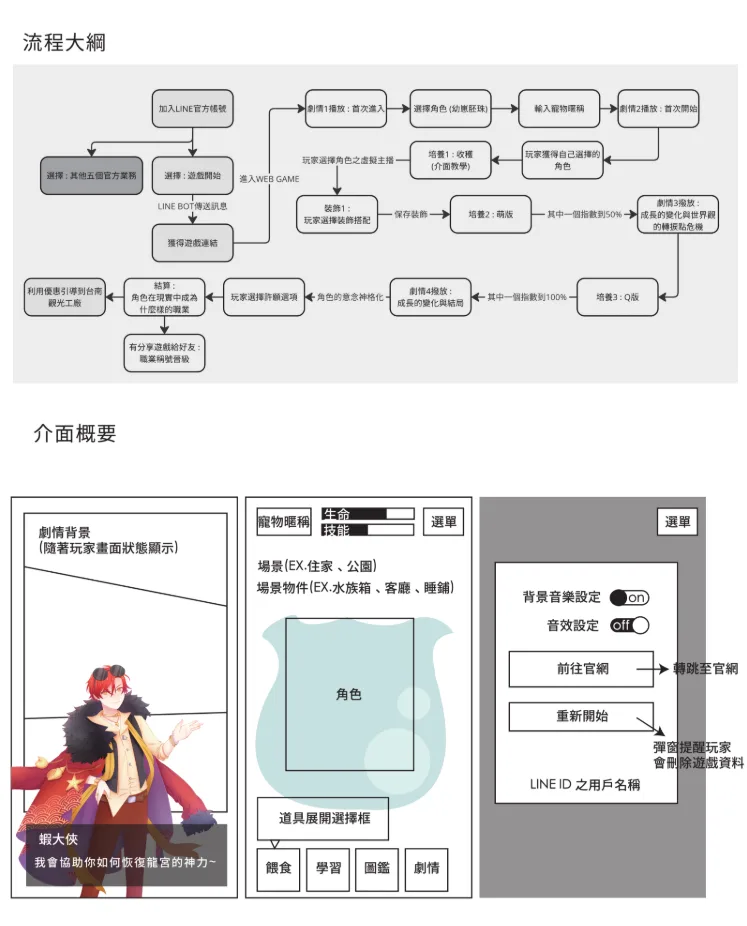
Early in the project, a very typical problem came up: the two sides used different vocabulary.
A game team is used to talking about character settings, Live2D, acceptance checklists, development schedules and testing processes. People unfamiliar with game production may nod along in the moment without really understanding how those terms will affect the final result. If both sides only discover that they imagined things differently once the screens are made, revisions and friction easily increase.
GameNobility later adjusted the way it communicated. It relied less on explaining with jargon and instead confirmed things item by item with screens, demonstrations and video calls. When something needed sign-off, the team did not just send a form and wait for a reply. It showed the finished work directly to the client and checked item by item what met expectations and what still needed adjusting.
This is not making expertise simpler. It is translating expertise into information the client can make decisions with. Especially in digital transformation projects for traditional industries, being able to speak in terms the other side understands is often just as important as the technology itself.
Why LINE in the end, instead of a separate app?
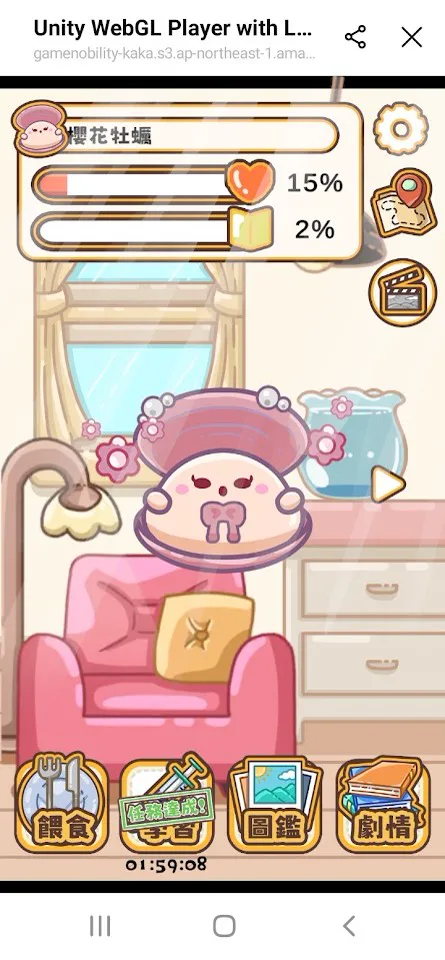

The project considered several approaches, including a standalone app and a regular web game. A standalone app can hold more complete features, but it has to deal with people's willingness to download it as well as app store listing and review. A regular web page is easy to open but still has to handle login, cross-device compatibility, performance and later integration with member data.
LINE was chosen as the main entry point in the end because it better fit the brand's goal of long-term interaction. Most users in Taiwan already have LINE, so they do not need to download a new app, and entering from the LINE Official Account also reduces sign-ups and redirects. For a pet-raising game, the brand can also use messages to remind users to come back and care for their character, so interaction does not happen just once.
However, an easy entry point does not mean development is simpler. A game inside the LINE environment still has to deal with different phones, browser engines, resource limits, loading speed and authorization flows. GameNobility believes the technical bar for LINE games is actually not low, and it is necessary to keep making trade-offs and optimizing between visual effects and runtime performance.
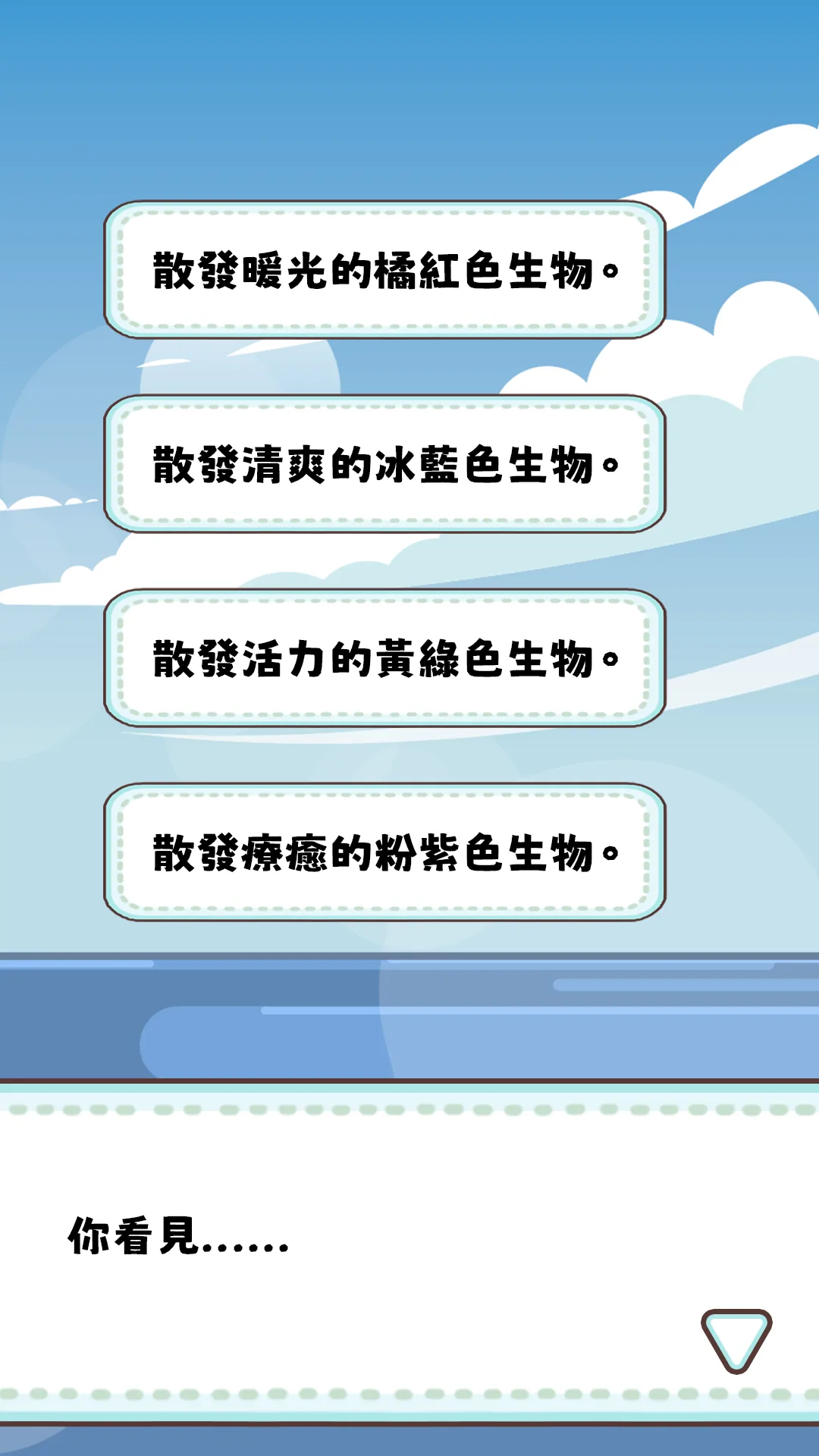
So choosing a platform cannot just be about asking "which one is most popular." It has to come back to where users come in, whether long-term interaction is needed, whether the brand already has an official account, and what data it wants to keep in the future.
After the tourist factory's opening was delayed, the real test was schedule management
KaKa Foods originally expected the tourist factory to open within a fairly short time, and game development was planned around that. However, after the team completed the originally agreed work, the factory's opening date was pushed back. In the end the project ran for about six months, and during that time parts of the content were redesigned and communication continued because of the new timeline and requirements.
For a development team, this kind of delay is not just "launching a bit later." The people assigned have already finished their stage of work. If the client delays providing materials, confirming content or starting the launch, other projects keep moving, and staff cannot wait in place indefinitely.
After this project, GameNobility brought the lessons back into its internal process: the launch date, the sign-off date, deadlines for providing materials and payment milestones must each be written out clearly. If the product has been completed as agreed and has passed sign-off, a delay to the client's opening or event should not drag the whole project out indefinitely. If the client does not deliver necessary materials on time, how the schedule will shift should also be agreed in advance.
This is not about pushing responsibility onto the client. It is about letting both sides know what they need to finish and by when. Whether a game project is on time has never been something the development team can decide just by rushing on its own.
A finished game does not mean people will play it: entry points and on-site guidance must be designed too
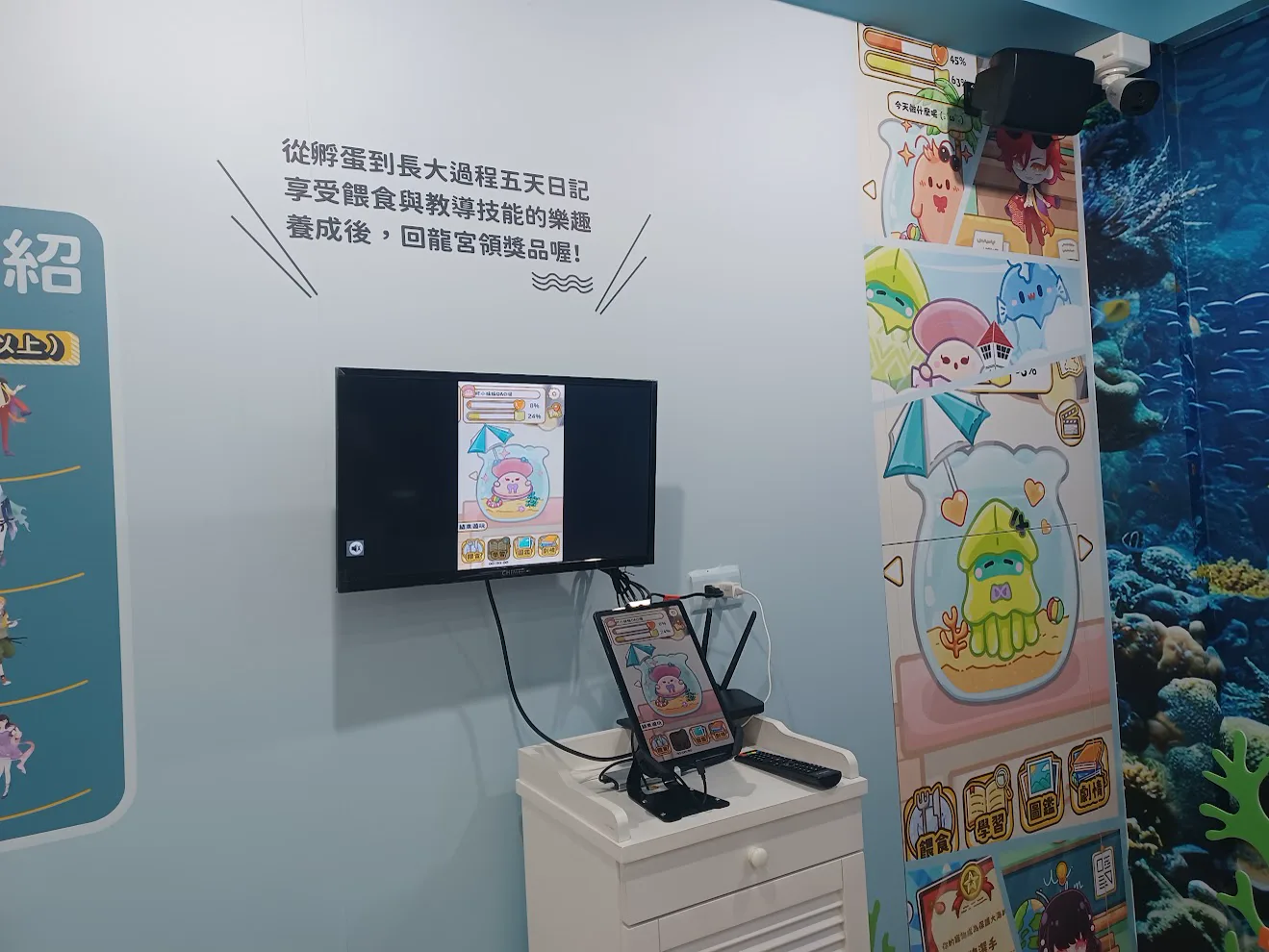
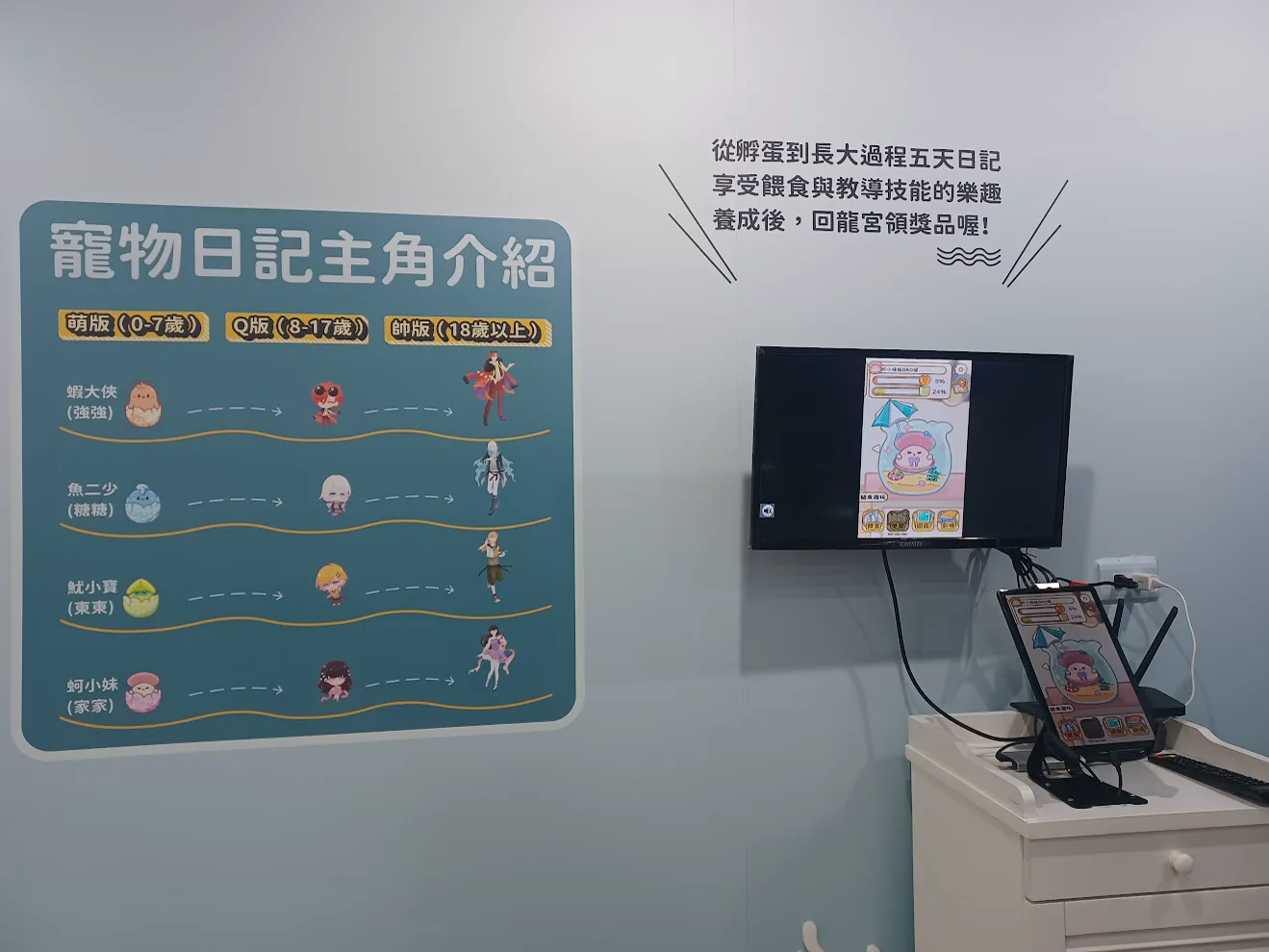
The most practical reminder this project left behind is that "the game being finished" and "the game being used" are really two different things.
For a tourist factory, visitors first have to see the entry point before they have a chance to enter the game. If the QR code sign is not eye-catching enough, is not placed along the visitor route, or on-site staff do not know how to introduce it, then even if the game itself works normally, the number of users may still fall short of expectations.
So the results of a brand game cannot be judged from the development side alone. At the very least, you also need to check whether the entry point stands out, whether on-site staff know how to guide visitors, whether players get stuck after entering, who is responsible for redeeming rewards, and who tracks the campaign data.
If players actually run into problems after entering the game, the team can investigate further using backend logs, device models and usage scenarios. But if players never see the entry point at all, changing the game screens again will not solve it.
This is also the part companies most often overlook when doing gamification marketing: the product, traffic and on-site operations have to be connected before a game has a chance to truly work.
What practical lessons did GameNobility take from this project?
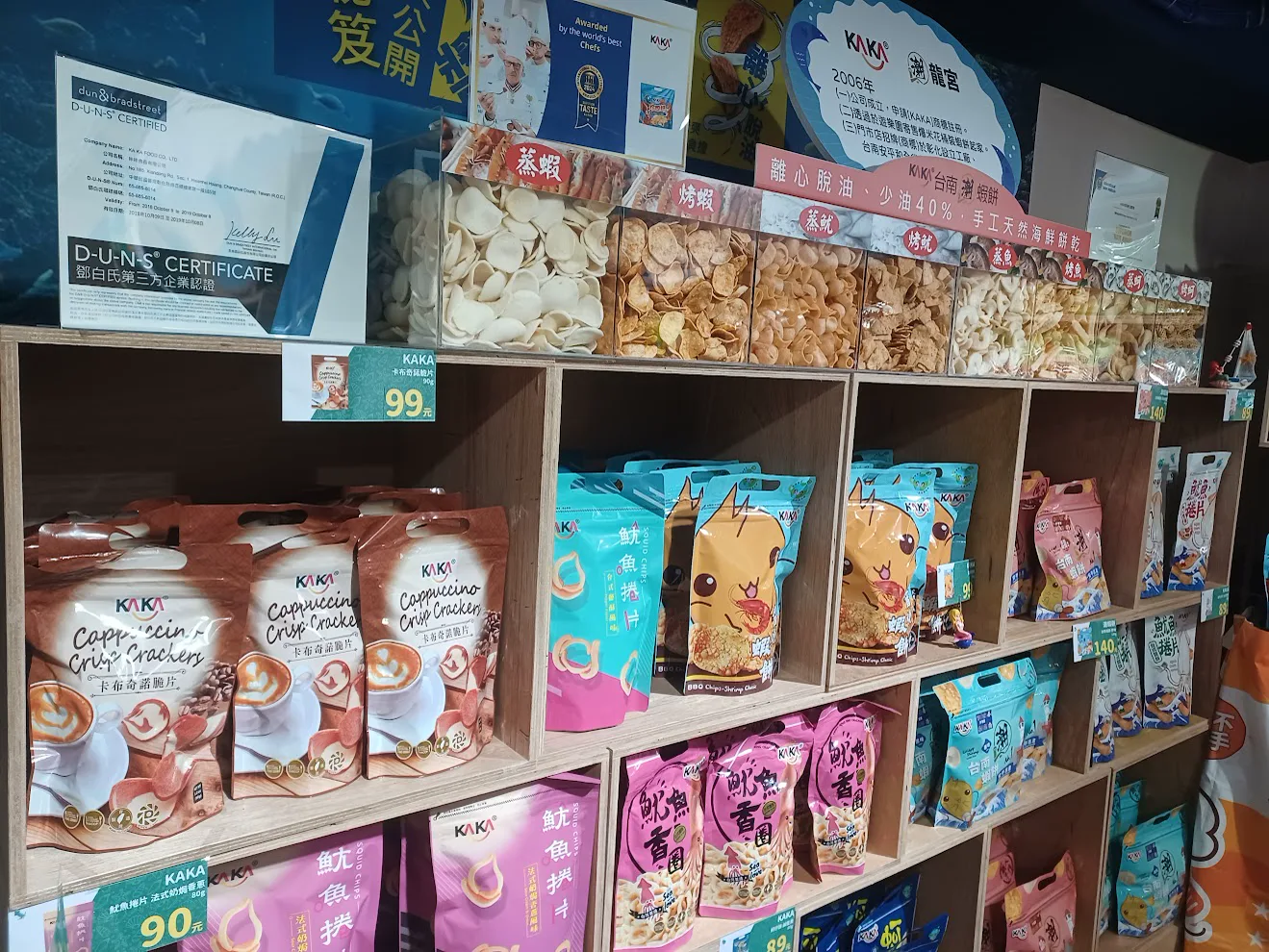
In the end, the KaKa Foods project did more than produce a LINE pet-raising game. It also led the team to rethink how it works with traditional industries.
First, an incomplete brief is not a problem, but the client has to be willing to discuss. The development team can help brainstorm, analyze the audience and narrow down the gameplay, as long as both sides are willing to face technical and budget limits.
Second, the way of communicating has to fit the decision makers. Flowcharts, Gantt charts and acceptance checklists are important, but if the other side is not familiar with these tools, you need to add demonstrations, screens and verbal confirmation, not just send documents.
Third, the schedule is a commitment by both sides. The development side must deliver according to progress, and the client side must also confirm on time, provide materials and arrange the launch. Writing responsibilities and milestones into the contract actually makes the partnership more reassuring.
Fourth, a brand game does not end when the code is delivered. Entry points, traffic, on-site education, reward redemption and follow-up data are all part of the user experience.
None of these lessons sound like flashy technical terms, but they are the key to whether a company game can actually take root. GameNobility's role in this project was not just to build the screens and features but to help the brand turn a vague idea step by step into a product that could be developed, understood and actually put to work on site.
Further reading
- Make a mini game on LINE OA so users come back on their own
- High-engagement marketing strategies for interactive LINE games
- Gamification marketing: building interactive brand experiences
FAQ
How did KaKa Foods and GameNobility start working together?
KaKa Foods first submitted its request through the GameNobility website form, hoping to make a pet-raising game similar to a virtual pet. The two sides first held discussions by phone and video call. About one to two months later, GameNobility went to the tourist factory in Changhua for an in-person meeting to confirm the content and the way of working, and only then did the project officially start.
Why did KaKa Foods want a pet-raising game?
The game was not positioned simply to attract first-time visitors. Through character raising and ongoing interaction, it gives consumers who have already encountered the brand or visited the tourist factory a reason to come back to the brand's content and venue.
Do people still play virtual pet and pet-raising games?
Raising gameplay is not outdated. The key is whether the audience, character design, pace of interaction and reasons to return fit the brand. GameNobility kept KaKa Foods' original raising concept and then adjusted the gameplay to the target audience and the brand's situation, instead of simply copying the traditional virtual pet model.
Why is LINE a good fit for a brand pet-raising game?
LINE already has a broad user base in Taiwan. Consumers do not need to download a separate app and can enter from the official account. For a pet-raising game that needs regular return visits, LINE can also combine message reminders with member interaction, lowering the chance that users forget to come back.
How is a LINE game different from a regular web game?
A LINE game can be understood as a web experience running inside the LINE environment. Its advantages are a smoother login and entry point and the ability to interact with the official account. On the development side, it needs special handling for LINE's built-in browser, device differences, loading speed, authorization and resource limits, so it is not necessarily simpler than a regular web game.
What do tourist factories most often overlook when making a game?
The most commonly overlooked part is guiding visitors on site. The QR code or entry point must be placed along an obvious visitor route, and on-site staff must know how to introduce it and help. Otherwise, even if the game is finished, visitors will not see the entry point and there will be no real usage.
How should companies and development teams handle a delayed game project?
When the project starts, both sides should agree separately on dates for providing materials, confirming features, sign-off, payment and launch. If the client's event or opening is delayed but the product has passed sign-off, the stage should be settled according to the original agreement. If necessary materials are late, there should be a clear mechanism for shifting the schedule.
Can a client with only a concept approach a game development company?
Yes. An experienced game development team can help analyze the audience, clarify goals, evaluate platforms and narrow down the gameplay. However, the client still needs to provide the brand's purpose, budget range, expected timeline and an internal decision maker, and stay open to discussion and adjustment.
What data should a company track after its game is finished?
Besides the total number of visitors, you should also look at which entry point users came in from, at which step they left, whether problems occurred on certain devices, how often they returned, and reward redemptions and on-site feedback. Only this data can help the team tell whether a problem lies in the game, the traffic or the operations process.