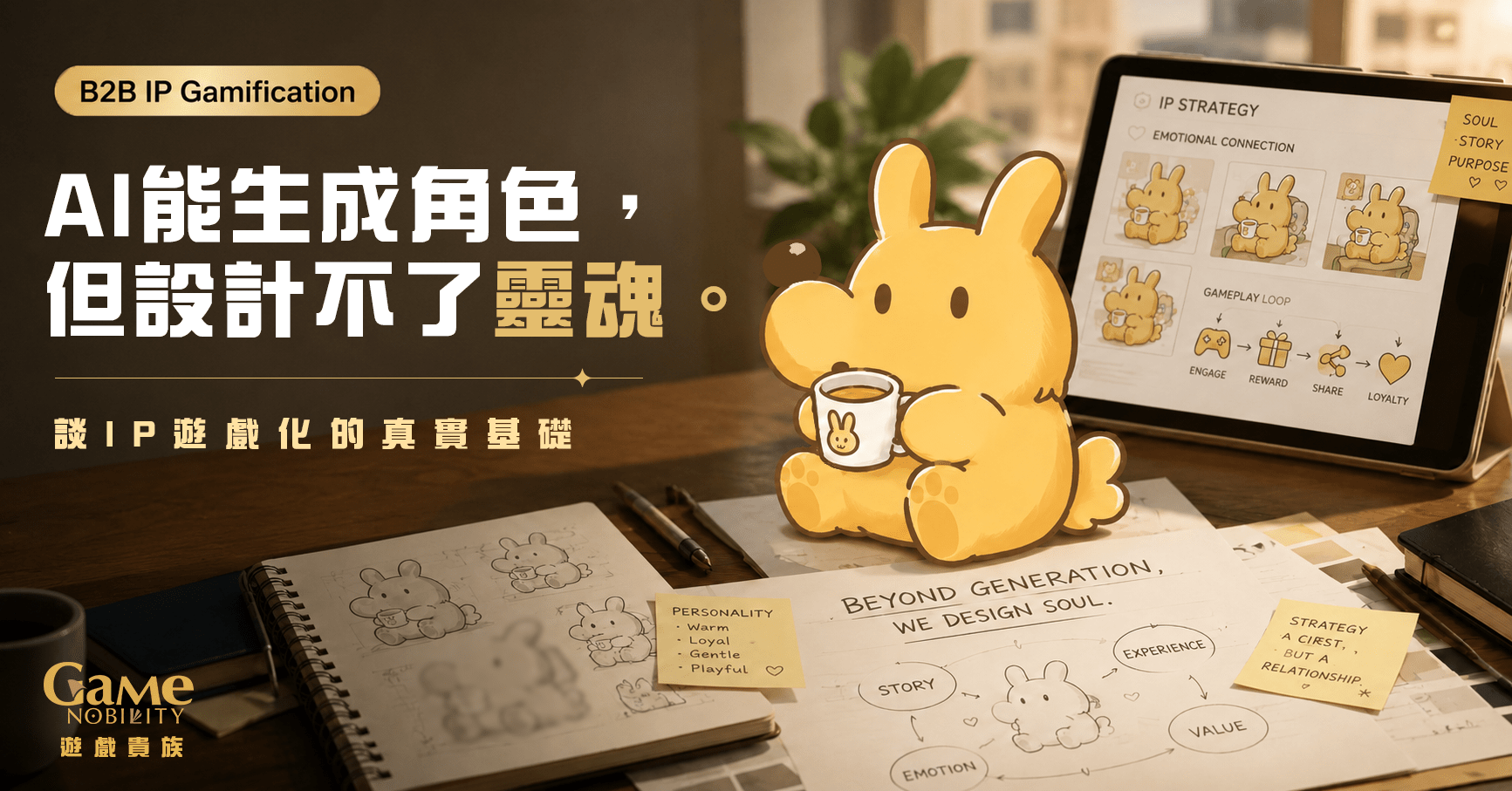
AI can generate characters, but not their soul: the real foundation of IP gamification
If you open any AI image generator today and type "cute brand mascot, for a tech company, blue palette, friendly style", within thirty seconds you'll have twelve options. None of them look bad. And every one of them looks a lot like your competitors' mascots.
This is the reality of 2026, and the real crisis brands are facing. The problem isn't "we can't make a character." It's "the character we made looks like everyone else's, and nobody remembers or cares."
But on the other side of this anxiety, some brands are doing something completely different.
With IP gamification, the moment that sticks often starts small, in everyday life. A character shows up in content from a creator you follow, or in an interactive exhibit at an event. What it says and does happens to match exactly how you feel right then, or even who you want to be. You get curious about the IP and naturally want to try the experiences around it. When you finish, you've completed the mission, taken a photo, sent it to a friend and tagged them: "This is so you, you have to try it."
We have also used a character's charm to help players remember how a brand talks about specialty coffee, Taiwanese tea… and more, so people who never thought these things had anything to do with them feel, for the first time, "this is actually my thing."
These brands didn't spend twice as much on advertising. The one extra thing they did was design the brand's soul as something people can experience, not just something people can see.
IP gamification is how that happens.
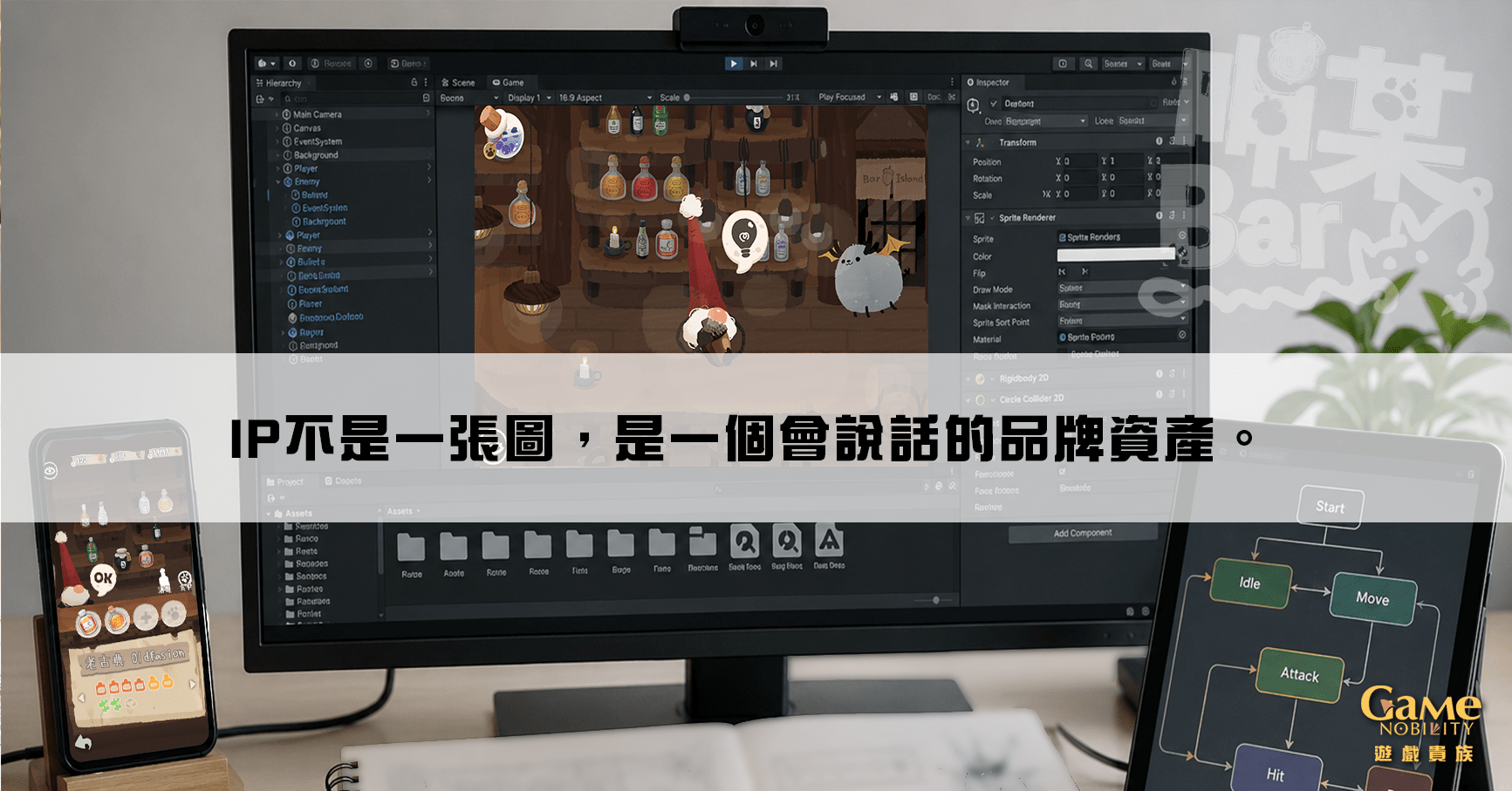
An IP is not a picture. It's a brand asset that can speak.
Many brands create an IP character to "make the brand feel warmer." It appears on packaging, in holiday posts, maybe on a limited-edition product, and then it goes quiet. The audience recognizes it but has no relationship with it.
A carefully designed IP can do far more than that.
We have helped brands train their characters into AI models that can chat, so users can talk with the character and naturally pick up the knowledge and experiences the brand wants to share. We have licensed our own IP as novels, letting the story keep growing beyond the game and forming an IP universe with a life of its own.
We have turned Taiwan's literary history, the body of knowledge around specialty coffee, and the international strength of local spirits and mixology into gamified interactive experiences. People who never thought they were interested in these subjects finish playing and say, "I had no idea Taiwan had this kind of depth." They find the knowledge fun and somehow connected to them, and then they pass the experience on to friends.
Taiwan has plenty of outstanding craftsmanship and lifestyle aesthetics that fully deserve a front-row place in international markets. What is often missing is not ability but a way for that ability to be seen, experienced and remembered. That is exactly what we do best.
Gamification is how an IP finds its voice
Having an IP is one thing. Making that IP truly live in your audience's lives is another.
What gamification does is give the IP a reason for the audience to “actively take part” with it. Not "seeing it" but "doing something together with it"; not "liking it" but "having a memory that belongs only to me and it".
That difference is the essence of brand stickiness.
We worked with Dcard to bring its then-growing IP "dttofriends" into gamification. The game's engagement rate ranked near the top on the platform and helped the client achieve the highest dwell time and player count among its dttofriends-themed mobile games. More importantly, once players had created personal experiences in the game, their emotional bond with the IP changed in kind. They didn't just "see the character"; they had "a story between me and this character".
That kind of bond is something no ad budget can buy.
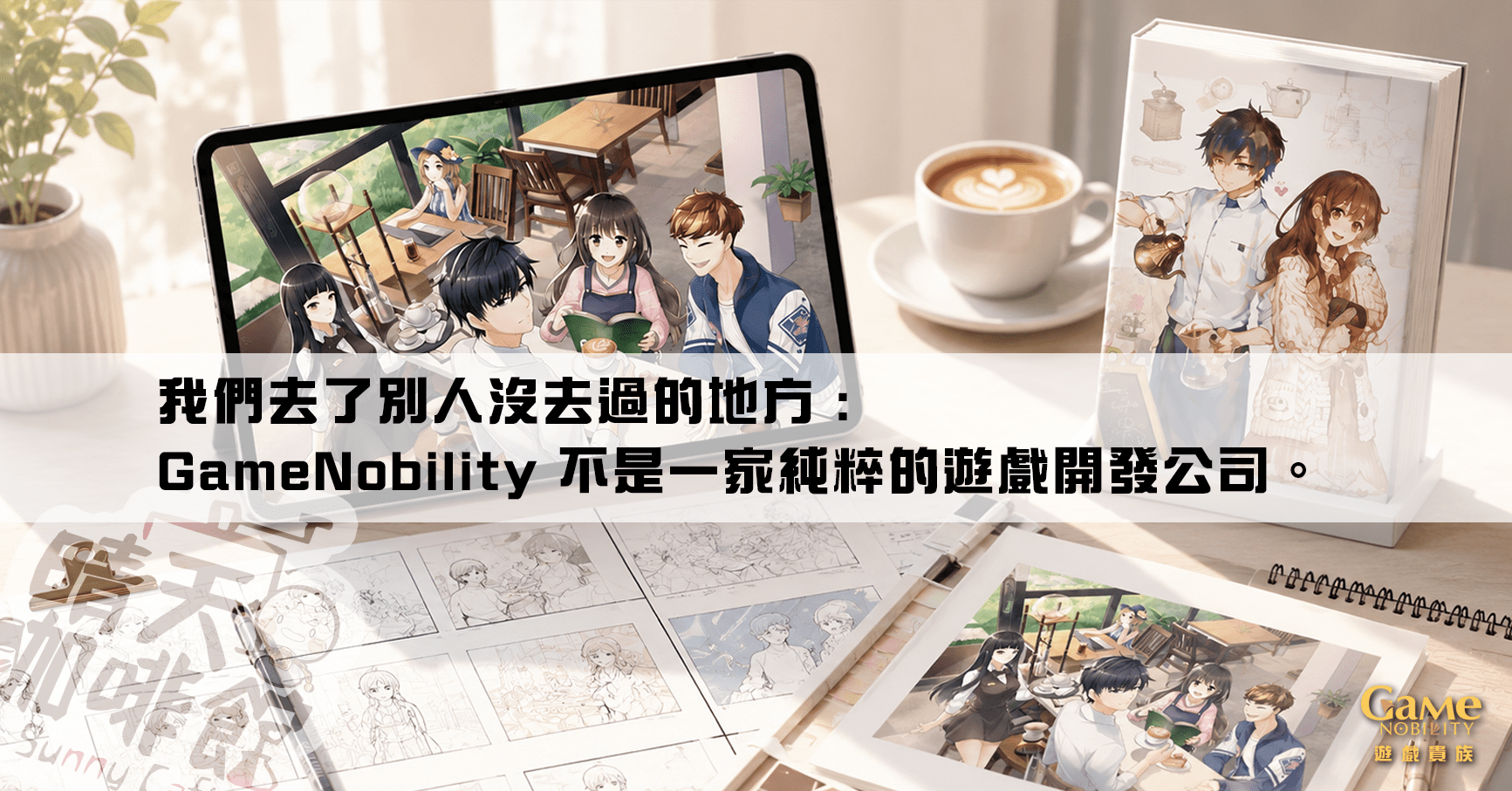
We've been where others haven't
Let's be direct: GameNobility is not purely a game development company.
We have worked with traditional factories, turning their pride in patented technology into gamified experiences that make outsiders want to learn more. We have worked with very different kinds of businesses: retail, factory tourism sites, logistics, claw machine arcades and tech hardware makers. We have also worked with Academia Sinica and government agencies, turning serious policy and knowledge into experiences the public is happy to approach. And we have turned lifestyle knowledge, such as specialty coffee, Taiwanese literature, local spirits and mixology, into gamified content that helps premium brands reach new audiences without diluting their quality.
These wide-ranging cross-industry projects have given us a judgment that a pure game company can't have:
“We know what logic gamification needs to actually work across different industries, audiences and goals.”
When a company that has only worked on game industry projects tells you what gamification can do, it carries a different weight from when GameNobility tells you.
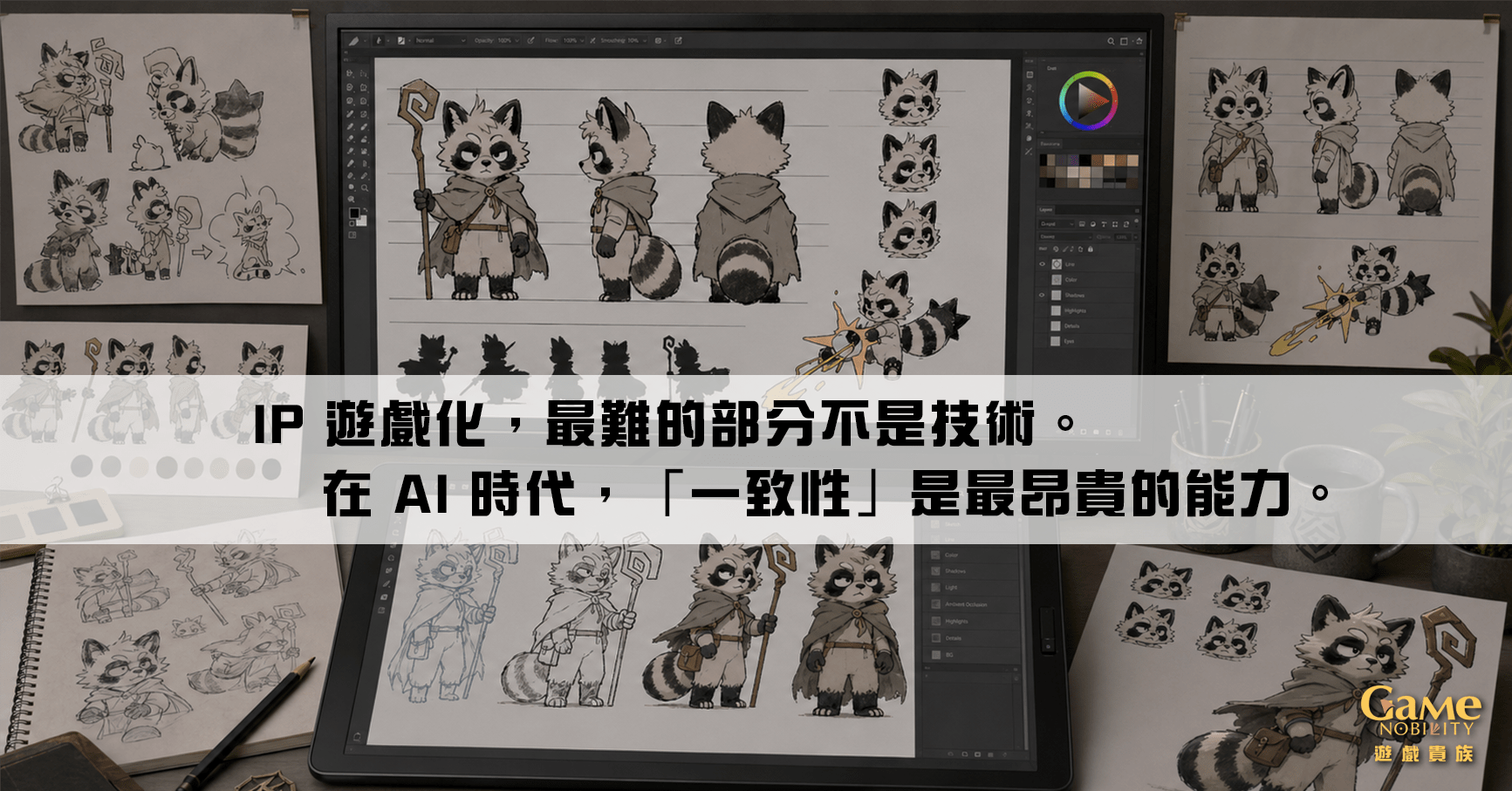
The hardest part of IP gamification isn't the technology
We have worked with Unity, Cocos Creator and Roblox, and we have also developed with Meta on a new engine written in TypeScript. This range of technology lets us choose the tools that truly fit your goals, instead of using the same hammer on every nail.
But in every IP gamification project, technology has never been the hardest part.
The hardest part is this: making the character do everything it needs to do in the game, while people who know it still say, "Yes, that's definitely them."
Visual consistency is the baseline, but true consistency means the same behavioral logic. How the character reacts to challenges, the rhythm of its movements, its tone of voice, its expression when it fails: do they all fit the personality it was given? An "impulsive, straightforward" character should move with quick starts and stops; a "gentle, slow-to-warm" character should have more arcs and easing. These calls require a real understanding of the character, not something any tool can output automatically.
Before every IP gamification project, we run an "IP personality audit": what the IP's core personality is, what emotional role it plays, where its visual boundaries lie, and what room for extension has yet to be explored. This step sets the direction for every design decision that follows.
Skip it and go straight to production, and the result may look visually right but have no soul. A soulless IP game hurts the brand more than doing nothing, because it makes fans feel the IP has been used up rather than cherished.
“In the AI era, consistency is the most expensive skill.”
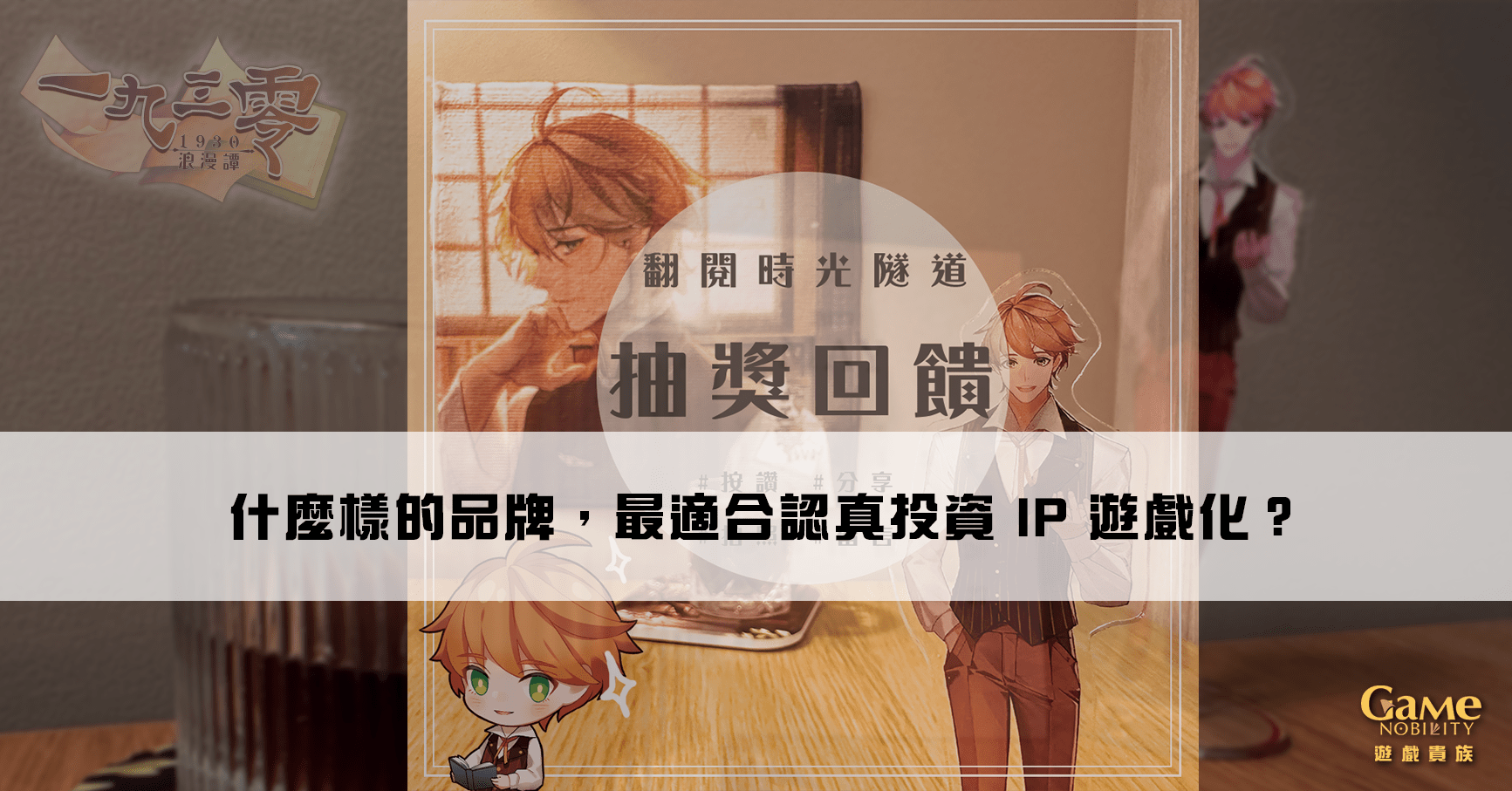
Which brands should invest seriously in IP gamification?
We'll be clear about who it suits, and who it doesn't.
The best fits usually have these traits:
The brand has a story or knowledge worth getting to know in depth: craftsmanship, cultural heritage, lifestyle aesthetics, professional know-how. These things need to be experienced to be truly understood, and gamification is currently the most efficient medium for "experiencing knowledge."
The brand's target audience wants to learn more but lacks an entry point that is fun enough. Turning high-barrier content into a low-barrier experience, lowering the friction to get in without diluting the depth, is the core value of gamification.
The brand cares about long-term audience relationships, not just the payoff of a single campaign. An IP is a long-term asset, and only brands willing to invest with a three-year view will truly feel its compounding effect.
Situations that are less suitable:
The IP itself is still vaguely defined, and even the owner can't say clearly "who this character is and why it exists." At this stage, you should first build your CIS (brand/corporate visual identity) and IP (character/soul) and lay a solid foundation. Gamification is an amplifier, not a builder.
You only want a one-off campaign with no intention of long-term management. For that, there are more suitable short-term gamification options, and a full IP gamification investment may not be necessary.
For brands without an IP, why now is the best time to start
If your brand doesn't have its own IP yet and you want to build one through gamification, there is one thing worth thinking through carefully.
As the technical barrier to generating a character approaches zero, the number of brand characters on the market is exploding, and most will look alike with no clear difference. In this environment, an original IP with a deep backstory, a real story and emotional logic will become increasingly scarce, and its commercial value harder and harder to copy.
But an IP's value takes time to build; it doesn't appear the moment you finish. For an audience to bond emotionally with a character, they need enough interactions, meaningful enough experiences and a consistent enough image, and all of that comes with time.
The later you start, the more time you give your competitors to build that up first.
When building a brand IP worth long-term investment from scratch, we start by asking three questions: What is the one thing only your brand can say in its market? What kind of relationship does your target audience want with what kind of character? How long a horizon are you willing to invest over?
The answers to these three questions decide whether we can truly help you, and how far our partnership can go.
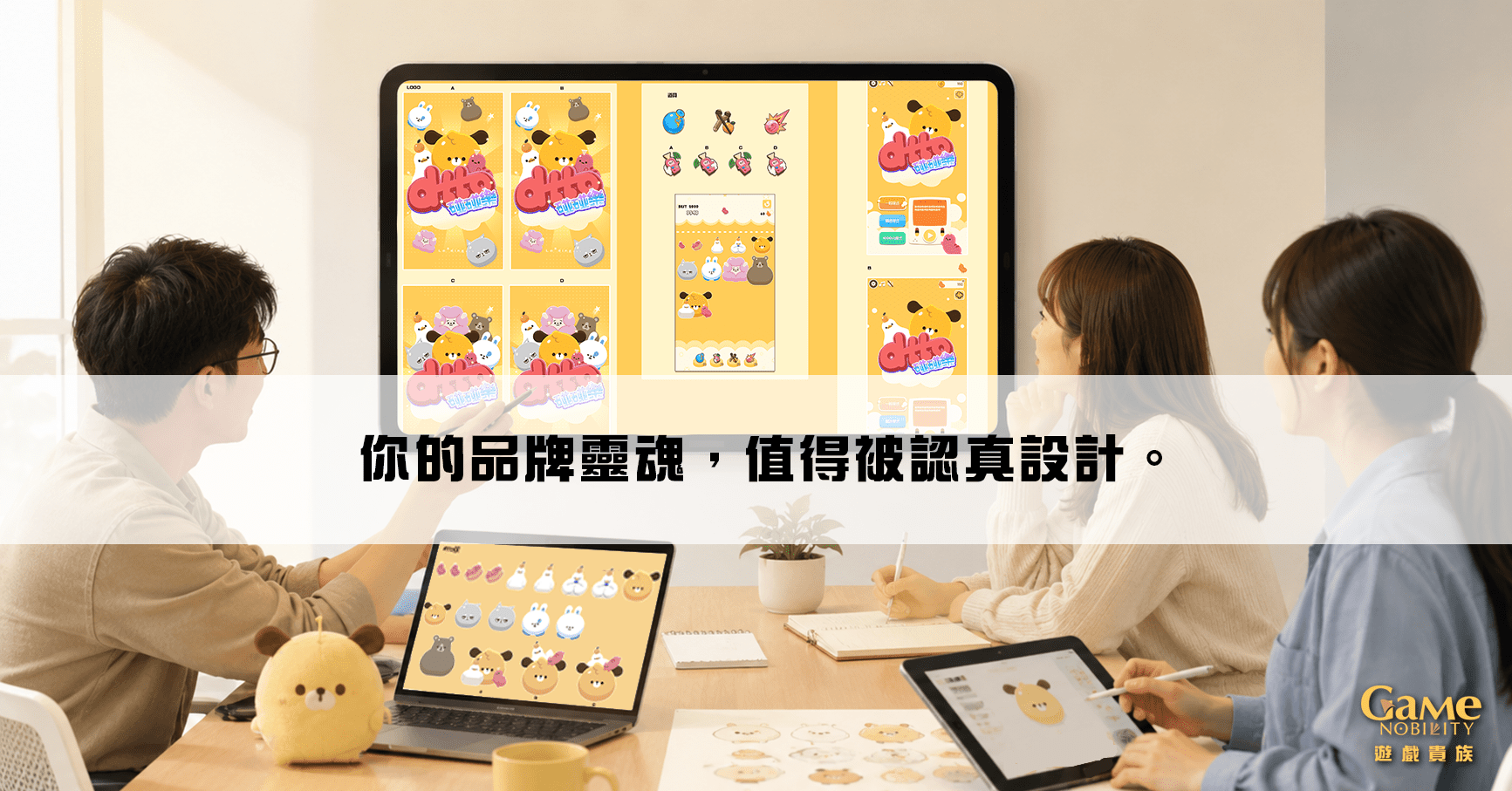
Your brand's soul deserves careful design
This year, plenty of people can make you something that "looks like" IP gamification. With AI tools, templates and fast-turnaround processes, it's cheap and quick.
We're not saying these people are bad. What we are saying is this: your IP is a brand asset, not one-off campaign material.
How you treat it today decides how much it's worth three years from now.
In a future flooded with AI content, a carefully designed IP with a real soul is your strongest brand moat.
A roughly handled IP leaves an impression in fans' memories that is hard to repair.
What we do is make your IP worth remembering.
If you see it the same way, we'd like to meet you.
Want to know what your brand IP needs? Let GameNobility guide youFAQ
Q: We already have an IP character, but we're not sure it's suitable for gamification. How do we evaluate it?
Just bring your IP and talk to us; no homework needed. In our first conversation we run a preliminary "IP gamification fit assessment." We look at the character's current personality definition, its audience base and the business goals you want to achieve, then give you a straight answer: which direction suits it, where the most effective entry point is, and whether any groundwork needs strengthening first. This assessment is completely free.
Q: Our IP only has a visual design so far, with no story or full background. Can we still do this?
Yes, but we'll recommend building the IP's personality before moving into gamification development. Putting a character with no personality into a game is like filling an empty shell, and later it's hard for players to form a real emotional bond. We can do this groundwork together, and it's usually settled during the proposal stage before the project officially starts.
Q: Roughly what budget range does IP gamification take?
The range is very wide. A lightweight single interactive experience and a long-term, cross-platform IP universe with a full world, multiple characters have completely different cost structures. We don't give generic quotes. After our first conversation, we propose a specific feature scope and rough estimate based on your goals and expected scale, so you know what the money can and can't do before you decide.
Q: We're a marketing agency and want to pitch IP gamification to our clients. Can we work with you?
Absolutely. We have models for co-pitching and co-delivering with marketing agencies, and we can adjust our role to fit the partnership structure: pure technical execution, strategy co-creation or full delivery on your behalf are all open for discussion. If you have a project under evaluation, bring the requirements and we'll work out the most efficient way to collaborate.
Q: Can you help with IP licensing and copyright issues?
We have hands-on experience with IP licensing, including licensing our own IP into other media (novels, AI models, physical merchandise) and using third-party IP for gamification development. We help you clarify license scope, contract terms and compliance checks during development at the proposal stage, so you don't discover a licensing gap halfway through development.
Q: We had someone else create an IP before, but it feels soulless and nothing came of it. Can you take it over?
We can assess it. We've taken on quite a few projects like this. Some needed the IP definition reworked before further development, some we took over and continued from the existing work, and for some we recommended starting over after assessment. We start with a diagnosis, tell you where the problems are and what fixing versus rebuilding would cost, and let you decide the direction.
Q: My brand doesn't have an IP yet, but I want to build one from scratch. What's the first step?
The first step is to clarify your brand's differentiated position in the market and what kind of relationship you want this IP to build with which audience. These two things define the IP's personality and form the foundation for all later visual design and gamification planning. We offer a full service from CIS brand identity and IP character design to gamification development, and we can start together from the earliest stage of strategic positioning.
Your next step
If your brand has something you feel "people would love if they really understood it," that thing is where our first conversation begins.
Bring us your questions. The first consultation is free, and we usually reply within two business days.