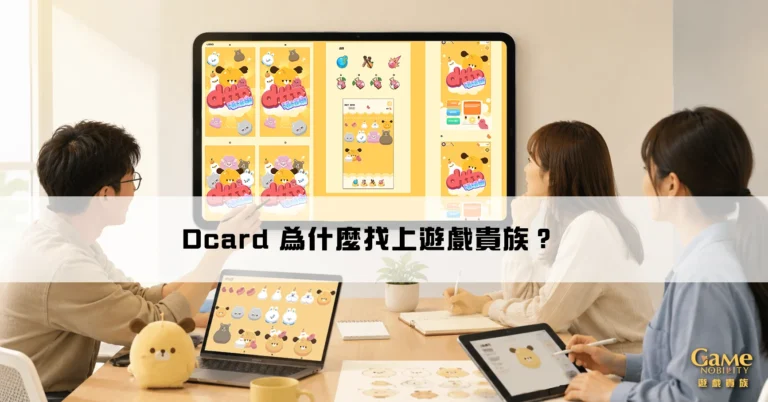
Marketing that works for any business: experiential marketing that wins customers through strong sensory connection
You may have already tried promoting your product with ad campaigns, customer reviews or social media. While refining marketing materials, we usually want to communicate the value of a product or service more clearly and raise conversion rates. If you have already tried these methods to improve results, consider shifting your strategy toward experiential marketing.
Experiential marketing is a two-way form of marketing. It gets consumers to take part actively and feel a product's strengths for themselves. For example, many software companies offer a free trial so users can try the product first and pay for a plan only if they are satisfied.
Below we look at some classic and innovative experiential marketing cases to help you understand its different forms and apply them to your own brand strategy.
The unique advantages of experiential marketing
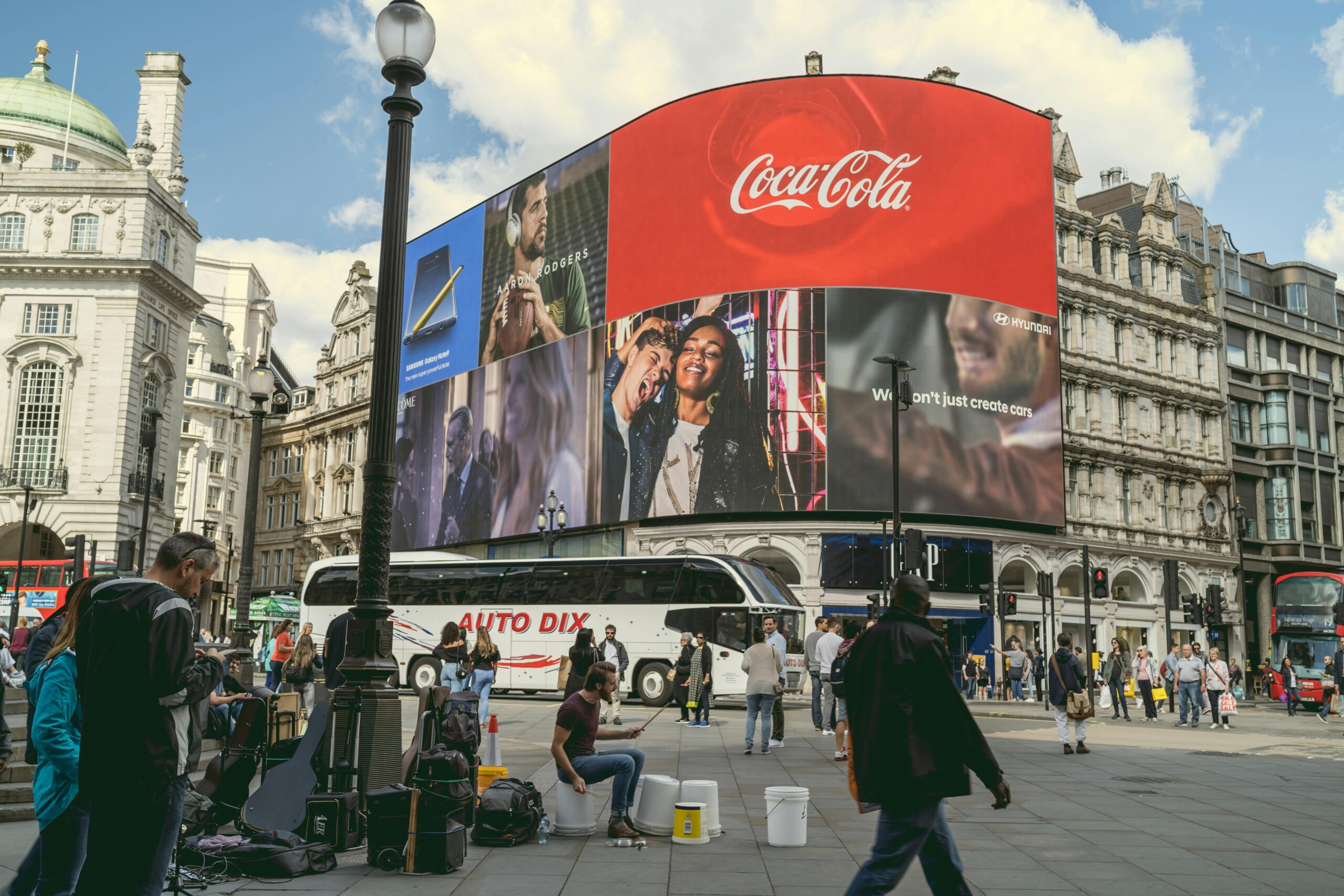
In recent years, experiential marketing has become a key strategy for brands that want to stand out. Companies such as Coca-Cola, IKEA and Red Bull have run successful experiential campaigns and earned huge online buzz. This kind of marketing not only captures consumers' attention but also builds deep brand connections, leaving a stronger brand image in people's minds.
Advantage 1: two-way interaction
The core idea behind how experiential marketing wins customers over is deep interaction. Unlike the one-way messaging of ads and social posts, experiential marketing invites consumers to take part and feel the value of a product or service directly. This interaction delivers richer information and creates memorable personal experiences.
Advantage 2: lasting memories
Memories created through experience last. Research by Helga and Tony Noice shows that hands-on experiences are easier to remember than information received passively. In their study, actors who performed matching movements while memorizing lines remembered those lines more easily. Even months later, repeating the same movements helped them recall the lines. When consumers recall a positive experience tied to a brand, that memory strengthens their awareness of and preference for the brand.
Advantage 3: emotional resonance
Experiential marketing can also spark strong emotional resonance. A well-designed experience can trigger positive feelings such as excitement, surprise or satisfaction. These emotional experiences help build brand goodwill and, in turn, influence buying decisions.
Advantage 4: word of mouth
Another advantage you can't ignore is the potential for word of mouth. Just as fun personality quizzes have spread among young people in recent years, unique and entertaining experiences often make people want to share. Whether on social media or face to face, consumers are more willing to share these special moments with others, which extends the brand's reach.
By creating deep interaction, lasting memories and emotional resonance while encouraging word of mouth, experiential marketing has become a powerful, all-round tool for modern brands. As consumers value personalized and authentic experiences more and more, its importance will only grow. Brands that make good use of its unique strengths will win more loyal customers in a competitive market.
The building blocks of experiential marketing
Building block 1: immersive experience
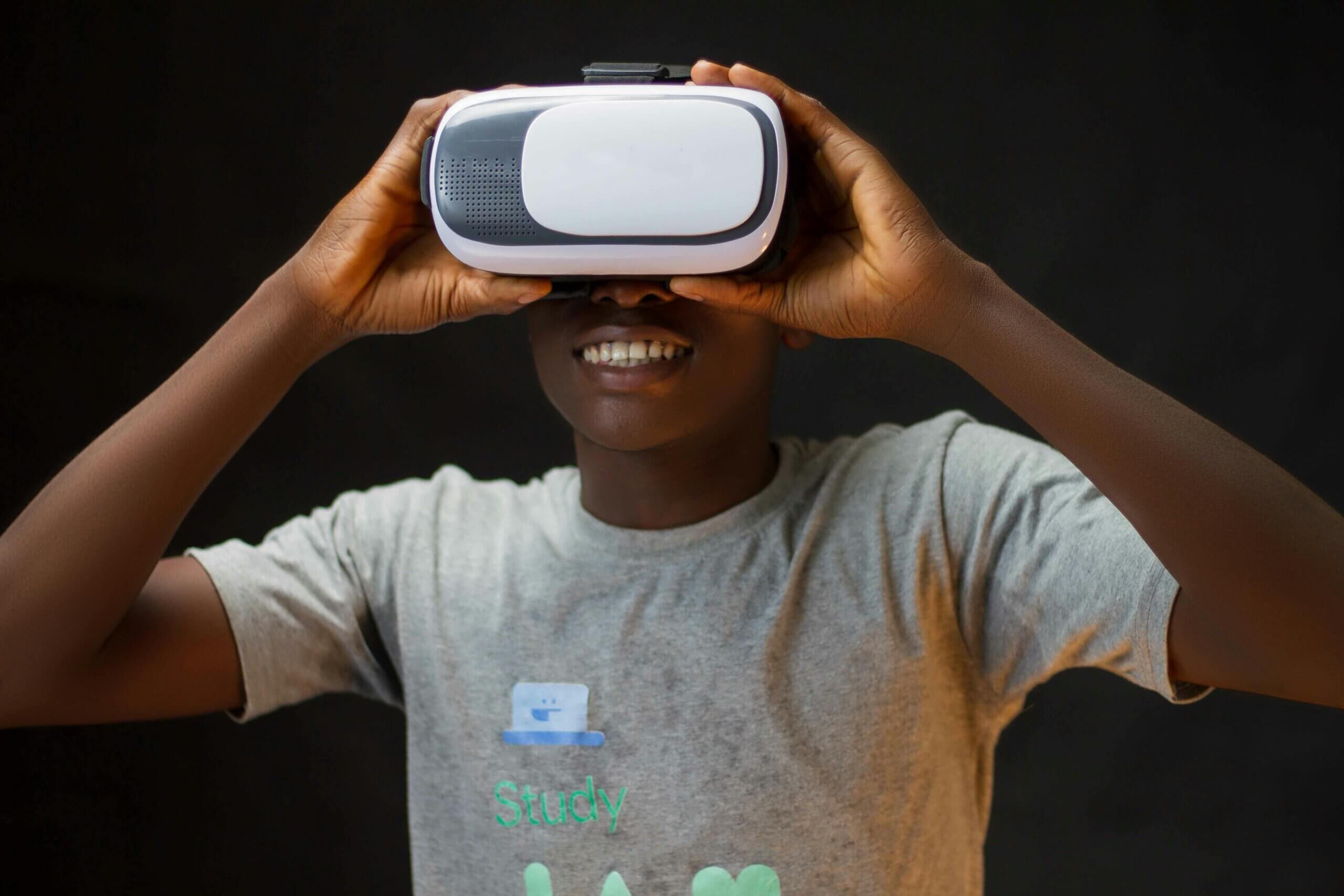
At the heart of experiential marketing is an interactive setting that lets consumers engage deeply and experience the product or service for themselves. Through this immersion, consumers remember the brand more easily and form an emotional connection with it.
Building block 2: emotional connection
Experiential marketing should show more than a product's features. It also uses emotion to influence consumer buying behavior. By building the campaign around the emotions or lifestyle the brand wants to convey, you let consumers feel shared values or emotional resonance during the experience, which further strengthens brand loyalty.
Building block 3: sensory stimulation
Whether online or in person, experiential marketing needs to engage sight, hearing, smell, touch and taste. Multi-sensory stimulation increases consumers' sense of involvement, keeps the campaign appealing and leaves a strong impression. For example, physical events can use venue design and product displays to create a more immersive setting, while apps can use bold brand colors in the UI and carefully chosen background music.
Building block 4: interactivity
Interaction is what brings experiential marketing to life. Consumers no longer just receive messages passively; they become participants. They can interact with the product and talk with the brand, and even shape how the campaign unfolds. This makes consumers more engaged and more likely to remember the brand.
Building block 5: real-time feedback and data analysis
Collecting real-time feedback during the experience helps the brand understand consumers' needs and preferences and improve future marketing strategies. Data analysis also helps companies measure the results of experiential marketing and adjust their strategy.
Classic experiential marketing cases
Coca-Cola – the Happiness Machine
In 2010, Coca-Cola placed a "Happiness Machine" at a school. When students put in a coin, all kinds of surprises came out: three bottles of Coke for the price of one, plus flowers, balloons, pizza and an extra-long sub sandwich. Users got to experience the "Open Happiness" brand value Coca-Cola had launched in 2009. In the campaign video, everyone is smiling and clearly feels the brand's philosophy, making it a highly successful experiential marketing case.
Red Bull's extreme sports experiences
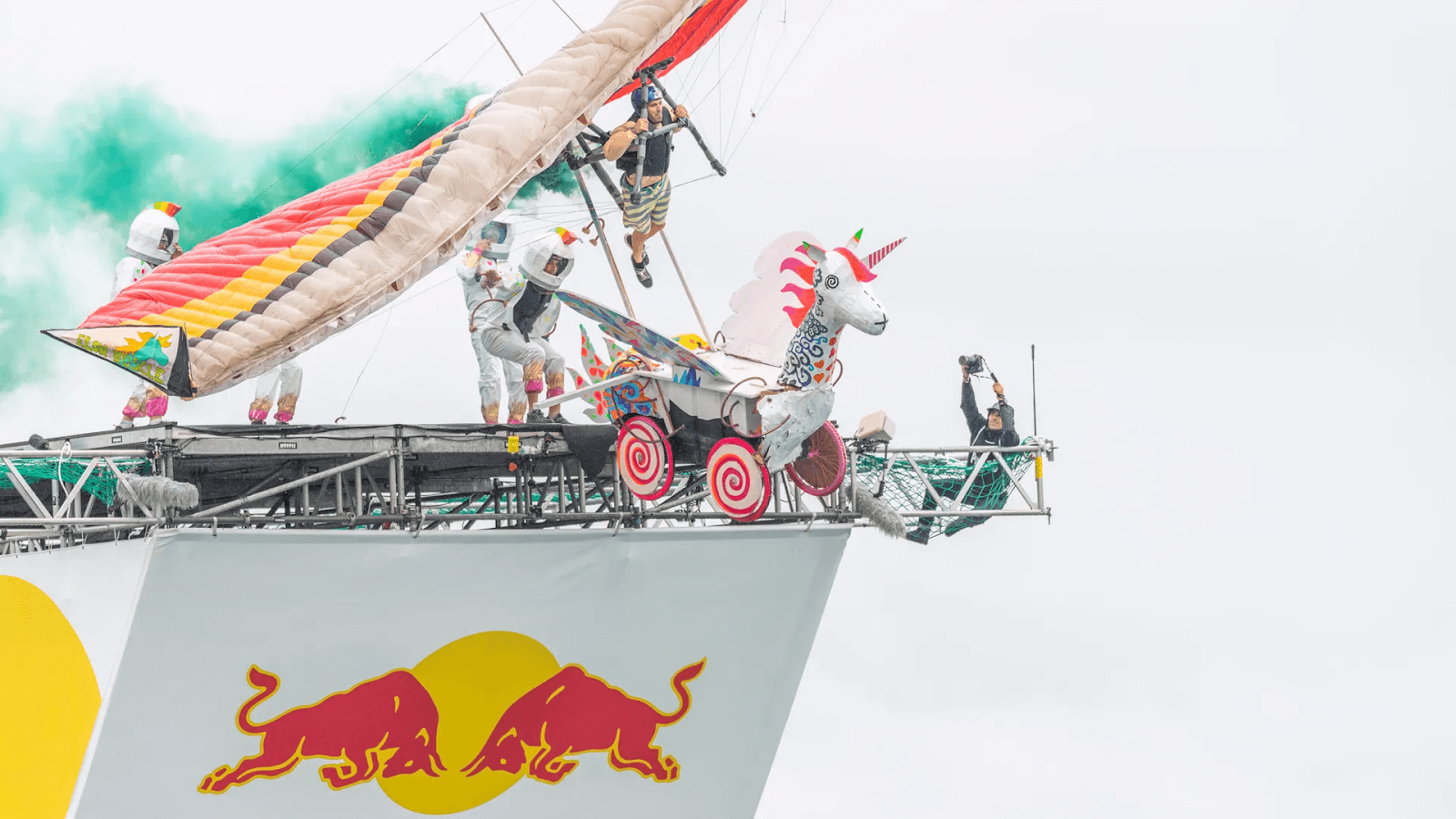
By sponsoring all kinds of extreme sports events, such as skydiving and air shows, Red Bull has tied its brand image closely to thrills and adventure. It not only backs these high-risk sports but has also taken on world records many times, such as Felix Baumgartner's 2012 stratospheric jump, which drew attention around the world.
In 2022, Red Bull held its high-profile Flugtag event in Taiwan. This more accessible event also generated huge online buzz while giving consumers a unique brand experience. Linking the brand with extreme sports and a spirit of challenge deepened Red Bull's energetic image and led consumers to associate it naturally with courage and adventure, creating strong brand identification.
Innovative experiential marketing cases
A dog food brand's experiential campaign

This creative dog food ad came from a pet brand, and the fun part is that the experience was designed for dogs. The billboard gave off the smell of dog food to catch dogs' attention. When you walk your dog, it might pick up the scent and lead you toward the ad. This interactive, sensory approach grabbed the dogs' attention and made owners curious and interested, which in turn sparked the urge to buy. By cleverly combining a dog's natural instincts with brand promotion, it gave consumers a unique and unforgettable experience.
Game-based experiential marketing
SAMSUNG's game-based experiential marketing
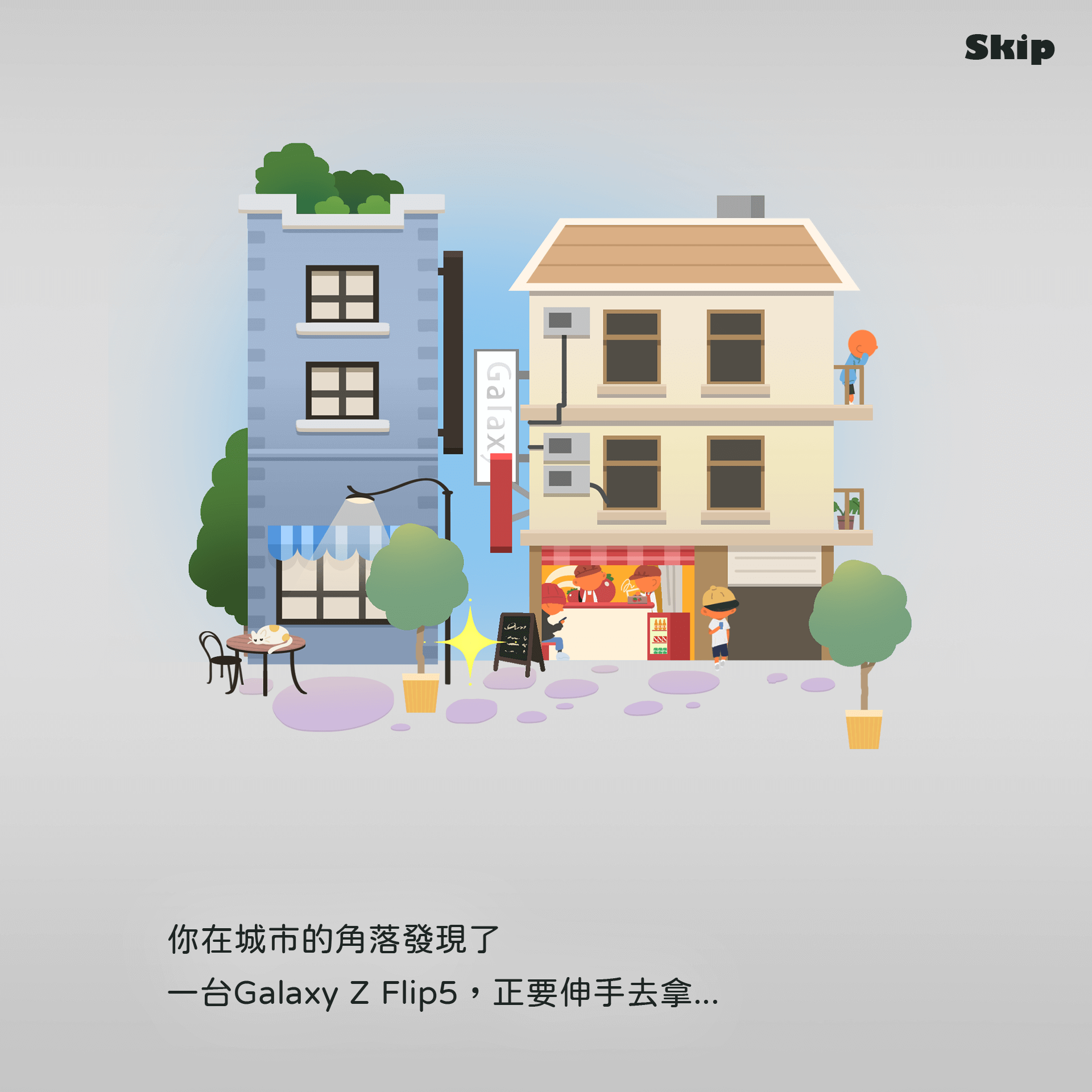
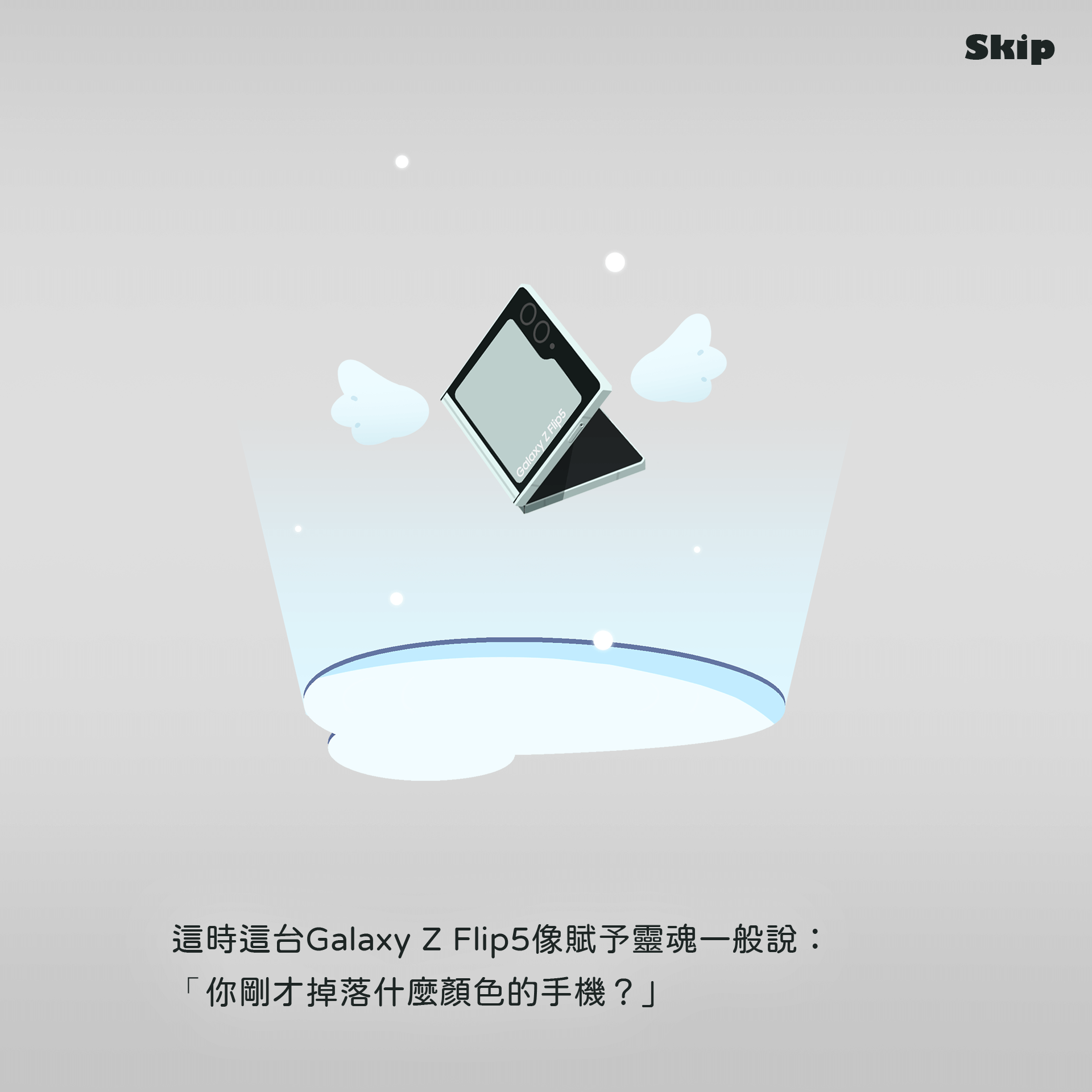
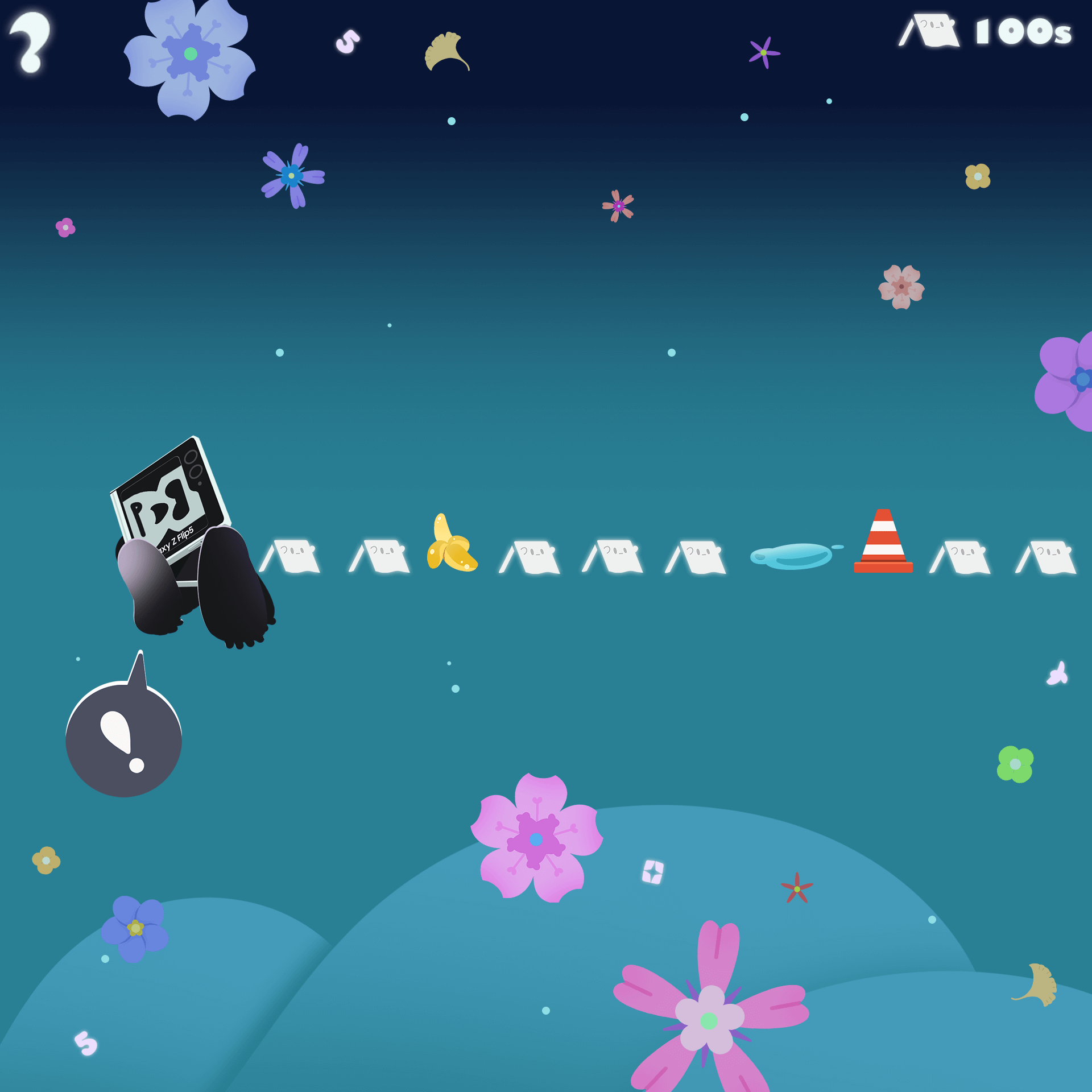
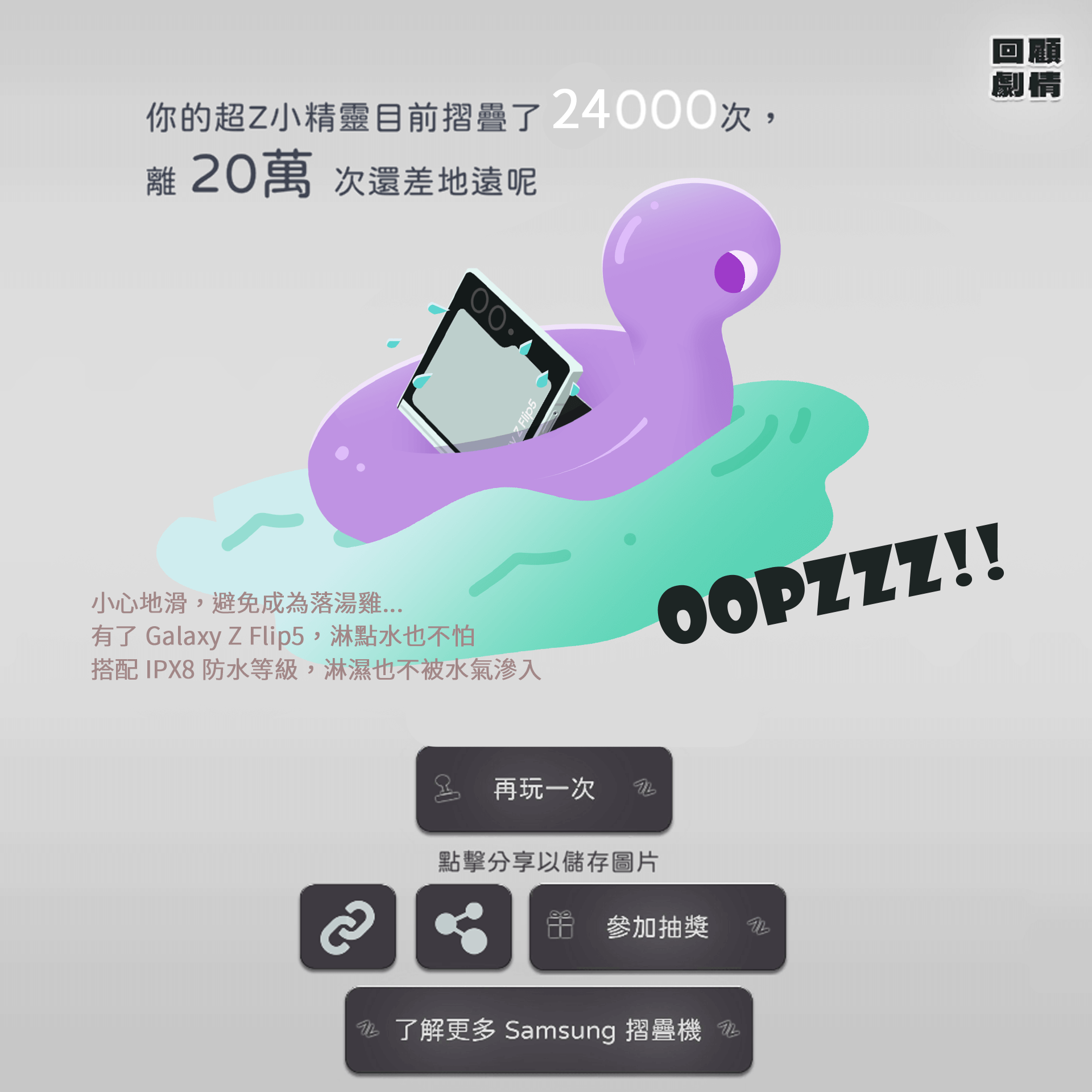
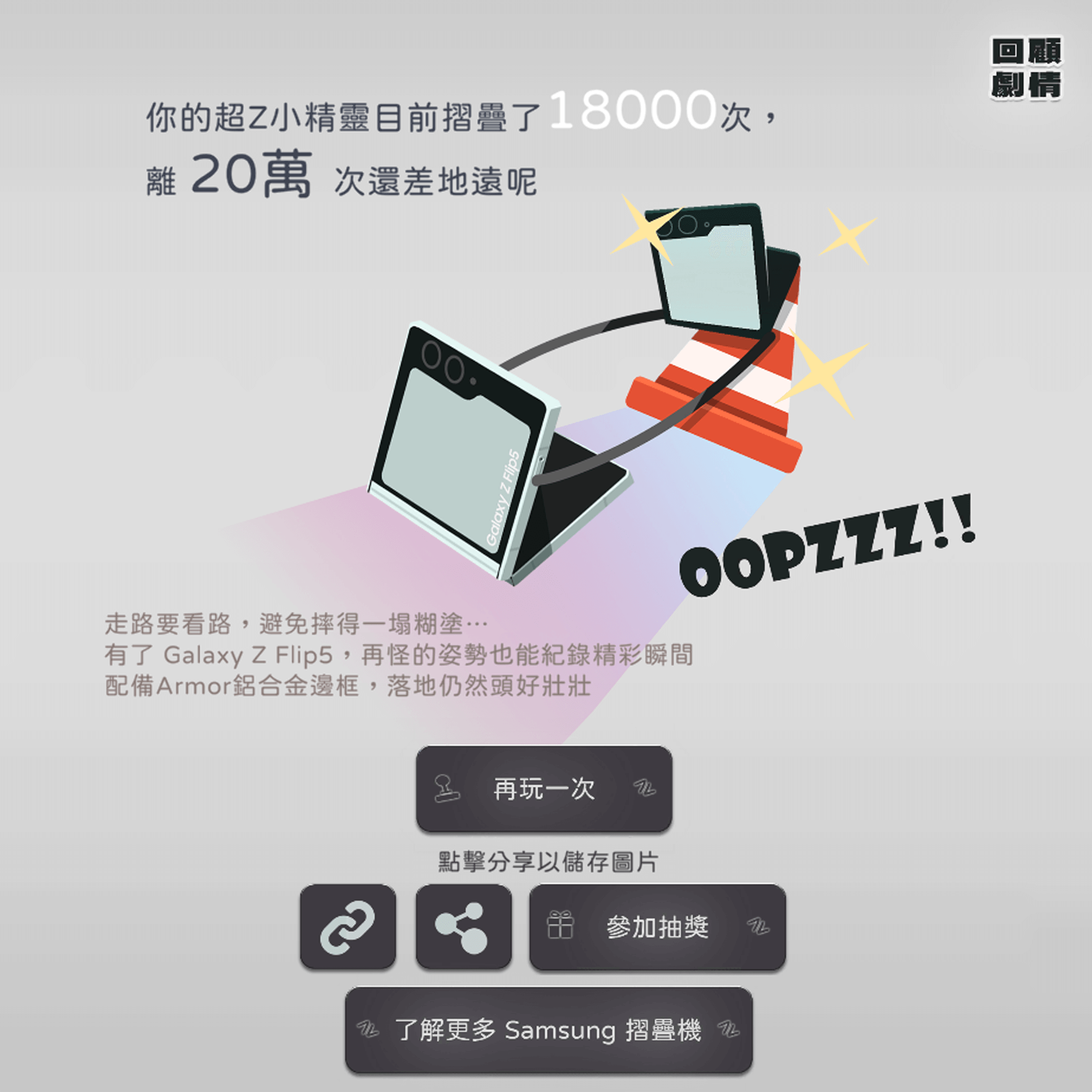
When SAMSUNG launched the Galaxy Z Flip5, it released an online experiential campaign, Super Z Buddy, which showed off the Galaxy Z Flip5's features through a game. The web game built the phone's folding and water resistance into the game mechanics. Players control a chibi foldable-phone buddy to collect points, and every move shows the phone folding as it jumps over puddles and obstacles. Along the way, players quietly learn about product strengths such as passing 200,000 fold tests, an IPX8 water resistance rating and a sturdy aluminum frame.
Click here to play Super Z Buddy!
From game fun to product awareness, naturally
Looking at the consumer journey shows how game-based experiential marketing can raise order conversion rates. At the start of the journey, users searching for a phone brand or model join the game out of curiosity. As they play, they gradually learn about the phone's performance and features. In the end they may place an order directly, or they may grow fonder of the brand, start paying attention to Samsung phone ads, or even share the game on their own, growing the customer base.
As soon as Super Z Buddy launched, it took off on social media. Many users shared their play experience and tips and joined the related prize draws, and a single social post drew more than 20,000 interactions. This successful campaign raised brand awareness for the Galaxy Z Flip5 and greatly increased user engagement.

Dcard's game-based experiential marketing
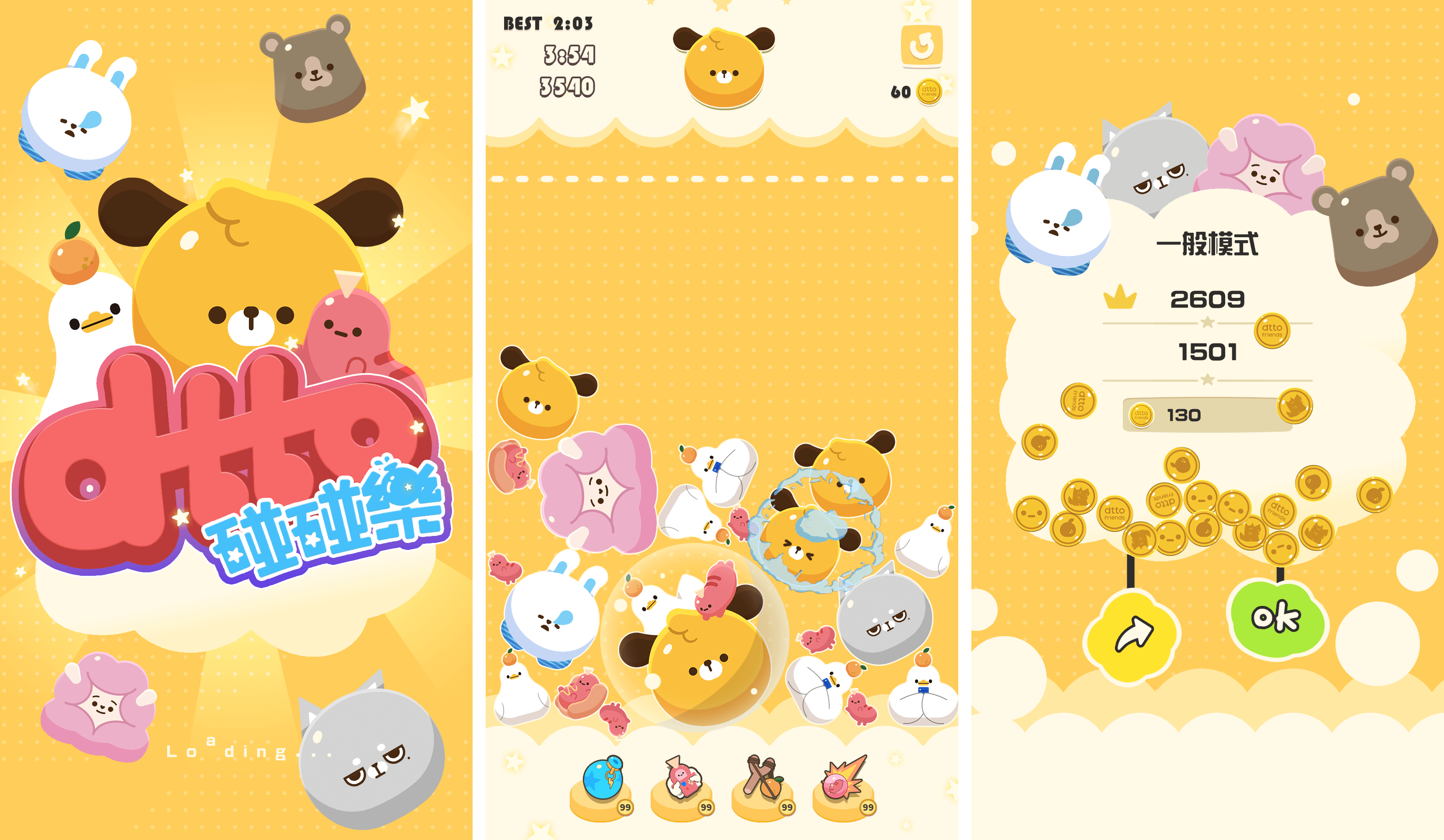
Dcard also used game-based experiential marketing to strengthen its brand image. It launched dtto Merge, a simple, fun game. The marketing goal was to help Dcard's original IP, dtto friends, gain awareness and loyalty. Players tap to make two identical dtto friends characters collide and merge into a new one, and hidden Easter eggs add to the fun.
dtto Merge drew large numbers of Dcard users. College students opened the Dcard app in their free time, saw the new game on the gossip board, played it, then invited friends to join in, interact and follow the trend, or shared it on social media on their own. This created a wave of buzz and raised Dcard's awareness and stickiness among young people, helping Dcard build an emotional connection with users and reinforce brand loyalty.
Click here to play dtto Merge!
The appeal of designing experiential marketing as a video game
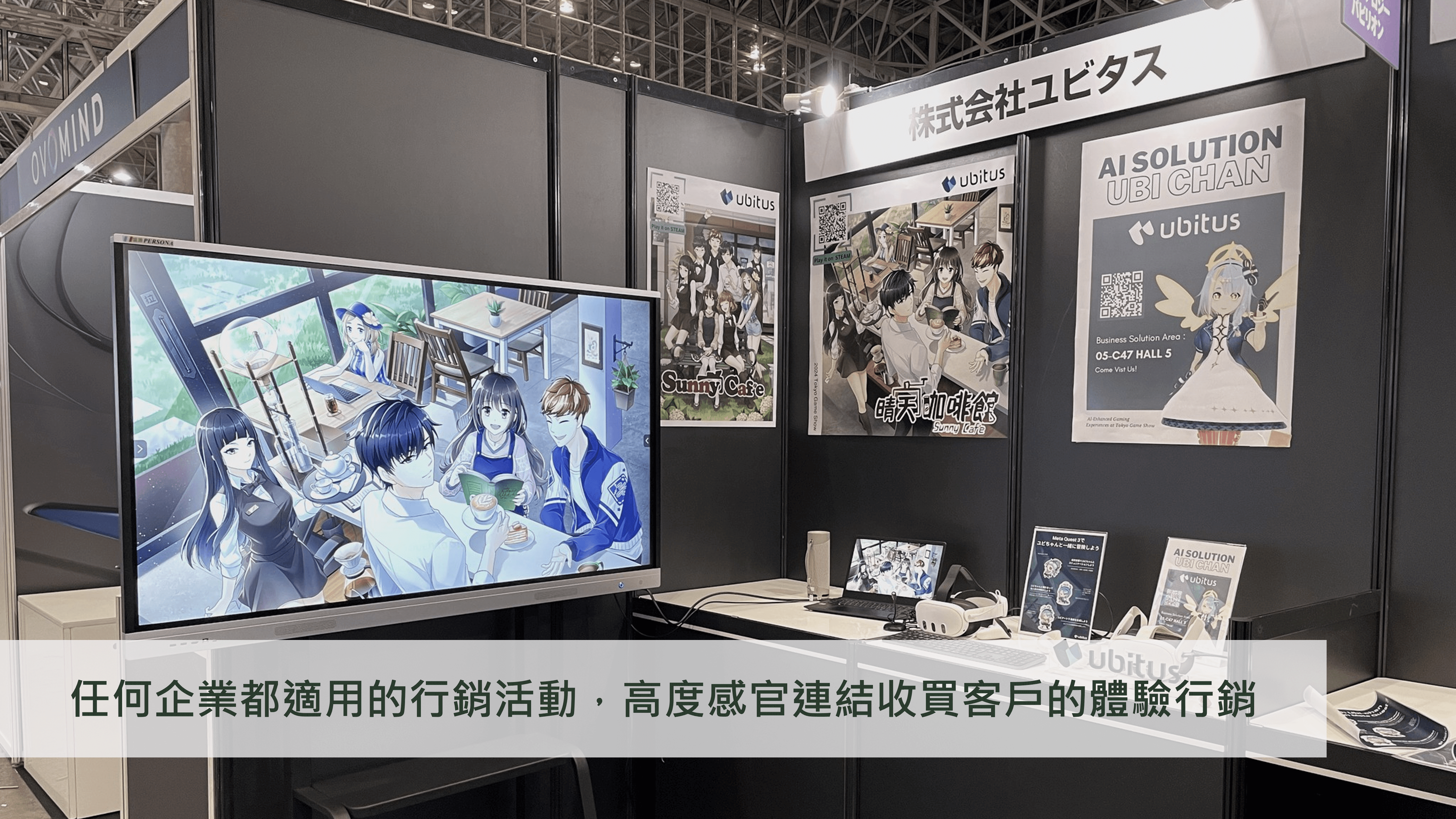
Experiential marketing is a strategy that fits almost every kind of brand. Whether you are promoting an educational product (like GameNobility's Sunny Cafe, where players learn about pour-over coffee as they play), a functional product, or building brand image and loyalty, video games can achieve these goals effectively.
Bahamut article>>>Sunny Cafe launches on Steam: experience Taiwan's coffee culture and a college love story
Fill in the form now to get a custom game-based experiential marketing proposal! Whatever your industry, video games can offer innovative, highly interactive marketing solutions. Contact GameNobility to learn how games can grow your brand and attract more customers.
Get a free consultation